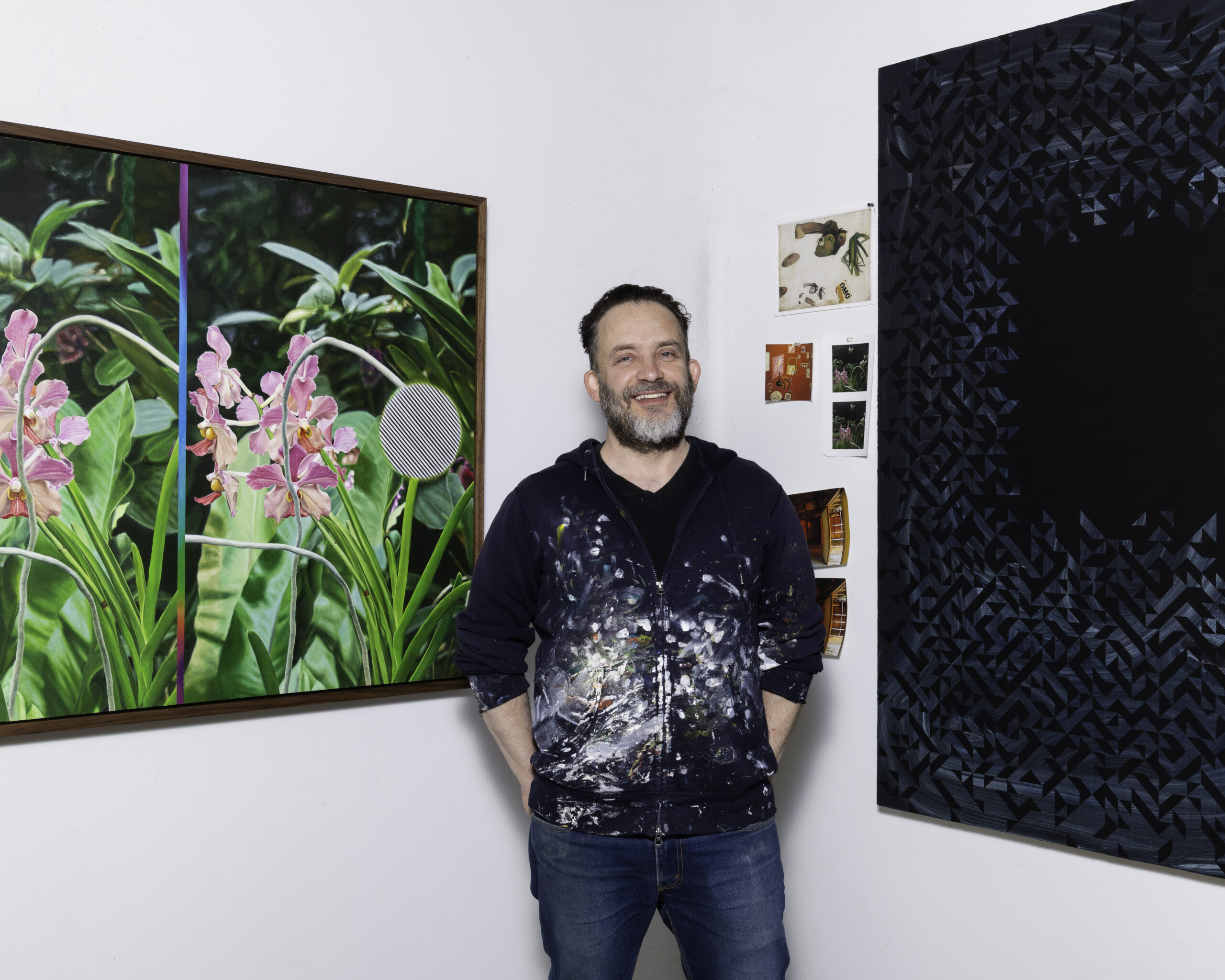
Julian Hoeber (b. 1974, Philadelphia, PA) received an MFA from ArtCenter College of Design in Pasadena, a BA in Art History from Tufts University, and a BFA from the School of the Museum of Fine Arts Boston. He has had solo exhibitions at the University of the Arts, Philadelphia and the Hammer Museum, Los Angeles, among others. His work is in the permanent collections of MoMA, New York; MOCA Los Angeles; de Young Museum, San Francisco; Hammer Museum, Los Angeles; Dallas Museum of Art; Nelson-Atkins Museum of Art, Kansas City, MO; Rubell Family Collection, Miami; Nasher Sculpture Center, Dallas; and Deste Foundation Center for Contemporary Art, Athens. His work has been included in group exhibitions at MAK Center of Art and Architecture, Los Angeles; Desert X, Palm Springs, CA; Tang Museum, Skidmore College, Saratoga Springs, NY; and Nasher Sculpture Center, Dallas. His fourth solo show with the gallery will open in June 2026. He lives and works in Los Angeles. He is represented by Jessica Silverman, San Francisco.

×
← BACK
← PREVIOUS WORK
NEXT WORK →
← PREVIOUS
Julian Hoeber: Binocular Rivalry
INQUIRE
NEXT →
×
← BACK
← PREVIOUS WORK
NEXT WORK →












← PREVIOUS WORK
INQUIRE
NEXT WORK →
Julian Hoeber: Binocular Rivalry
Julian Hoeber: Binocular Rivalry
June 5-July 11, 2026
Artist Talk with Julian Hoeber in conversation with Jonathan T.D. Neil, July 9 at 5PM
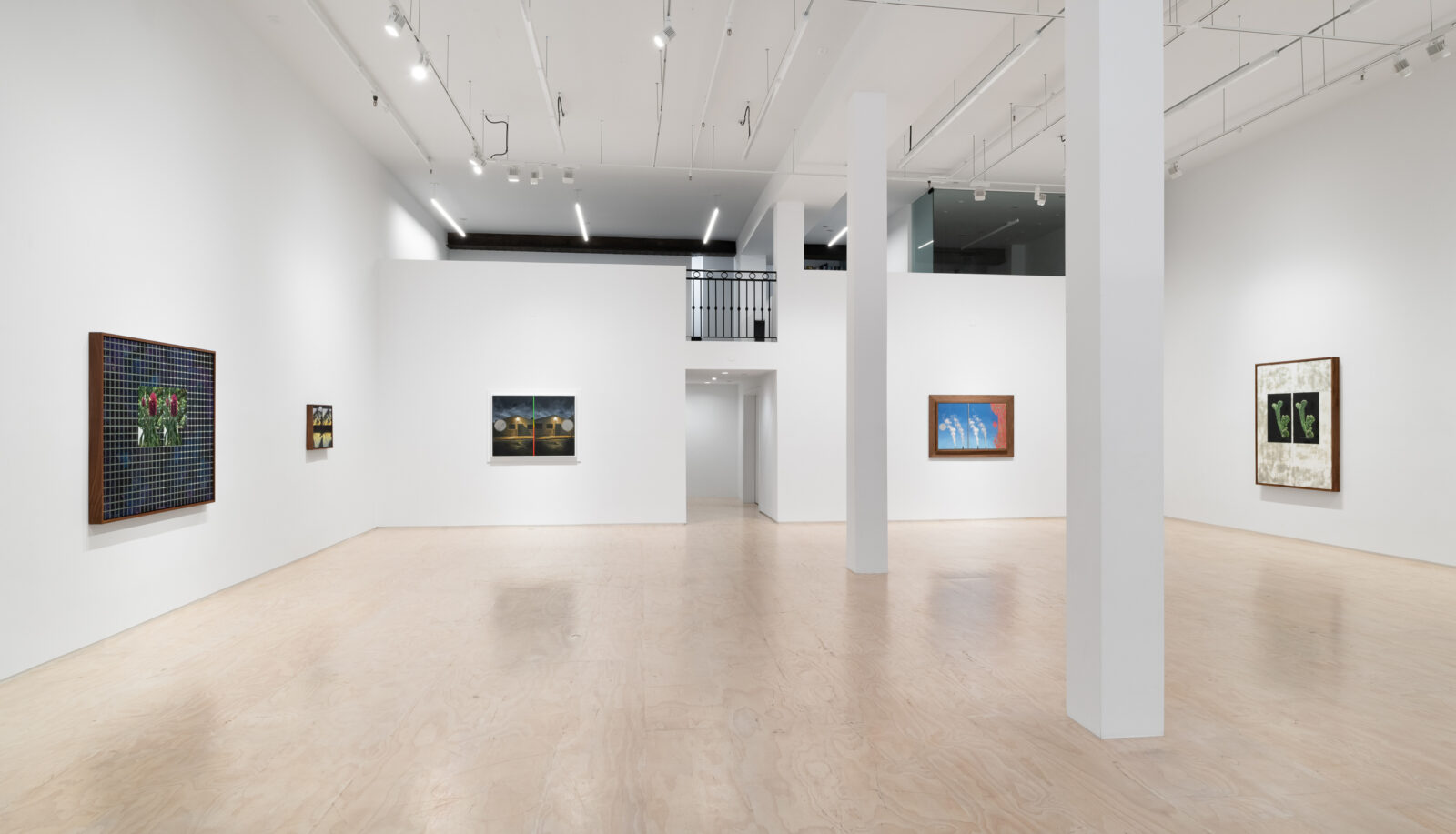
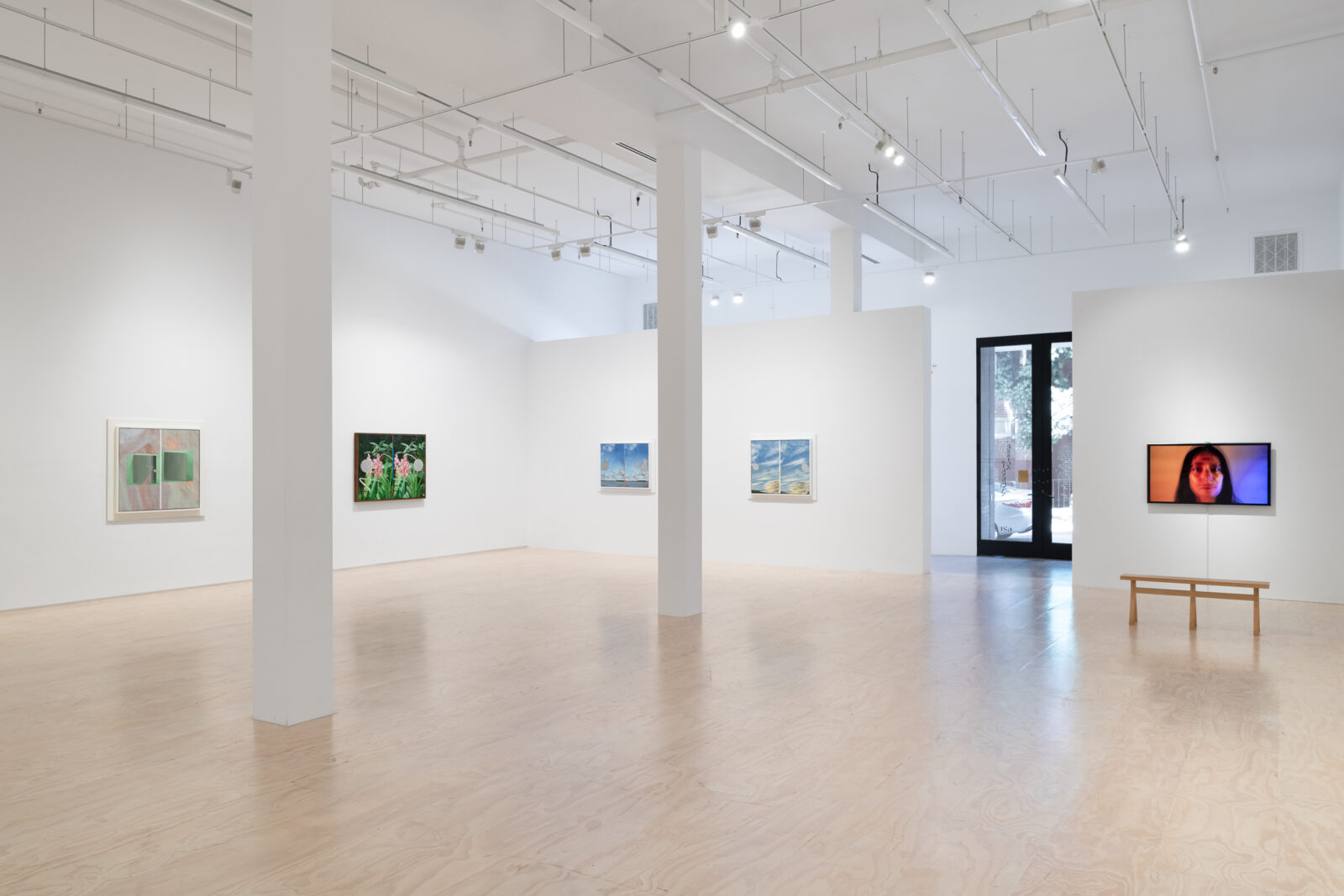
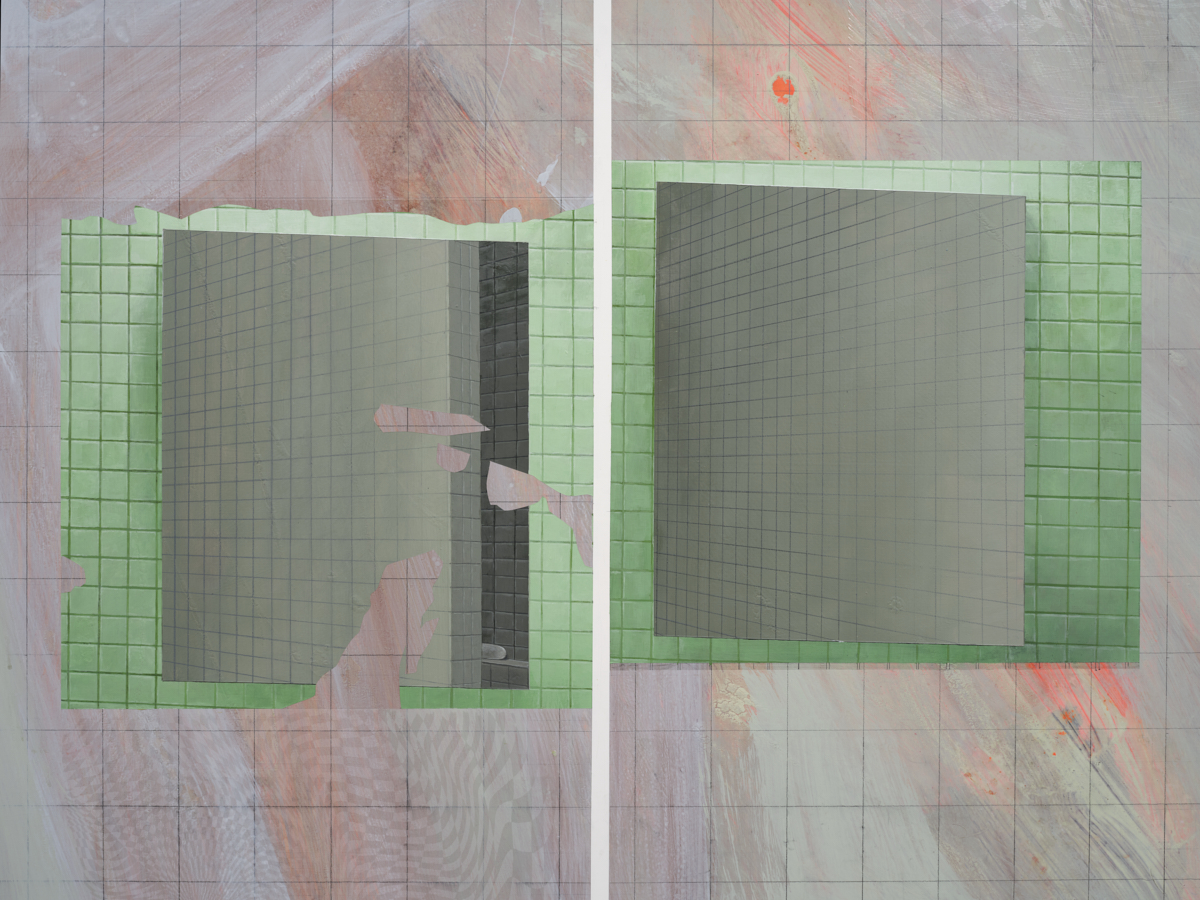
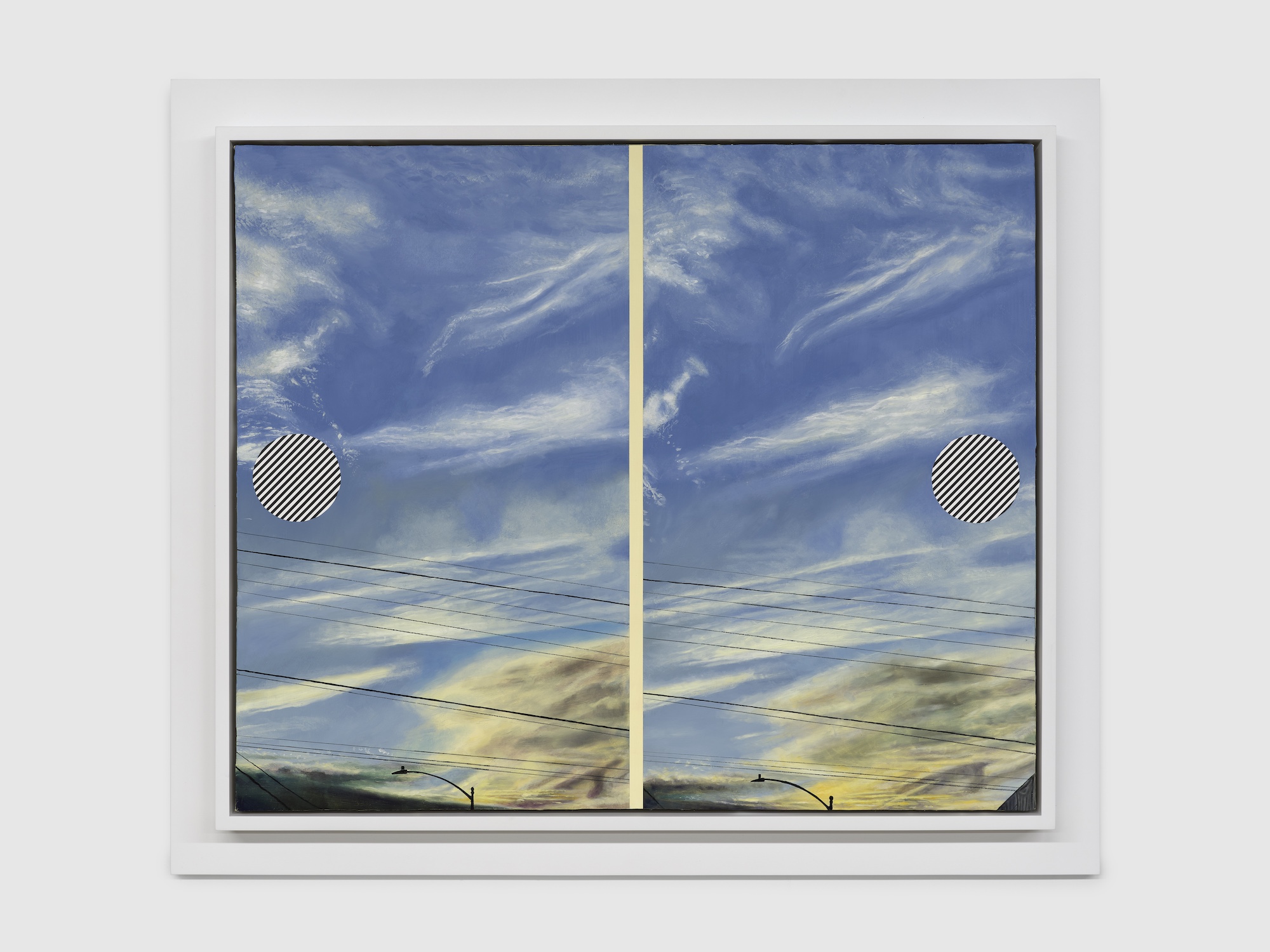
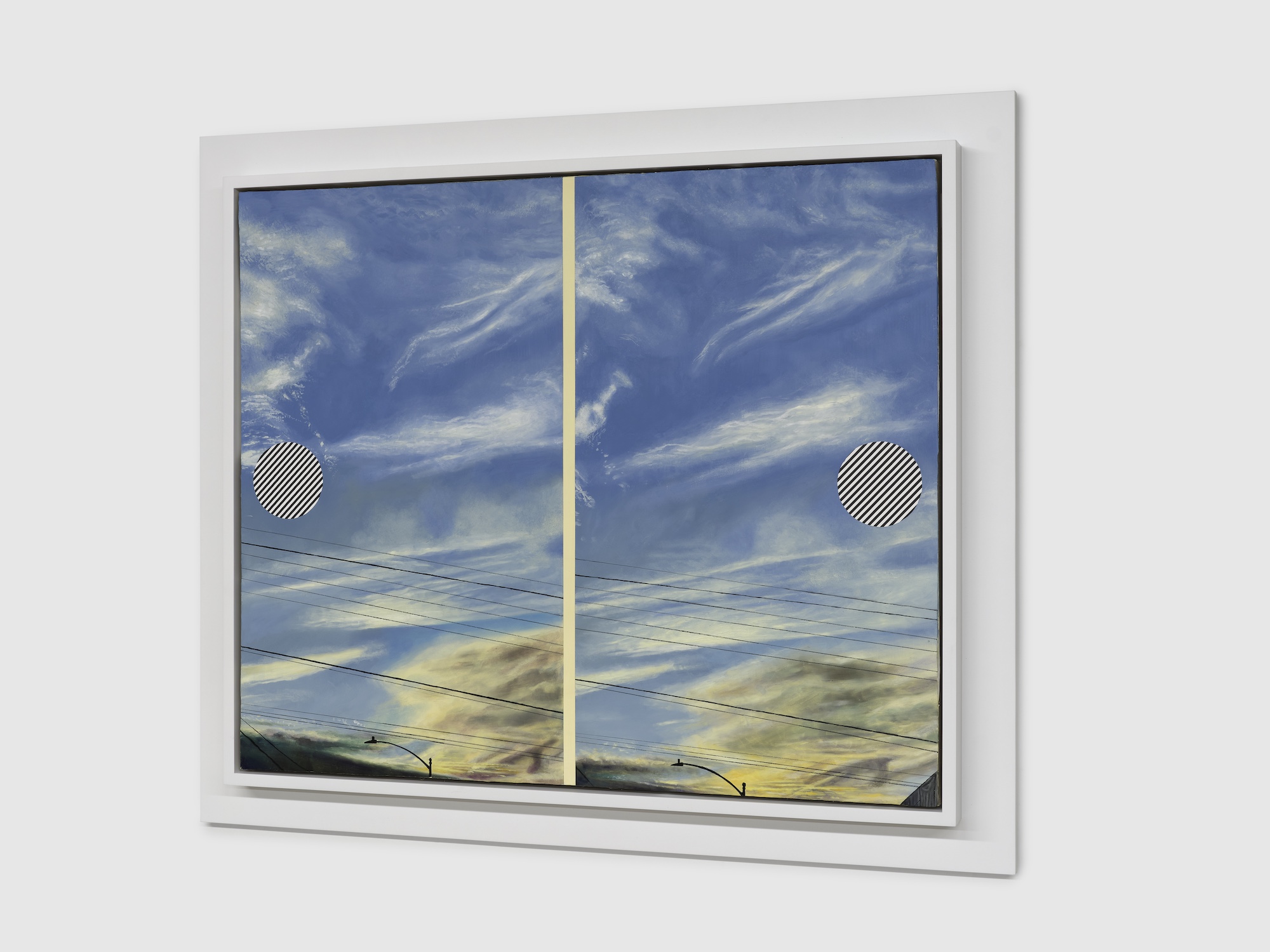
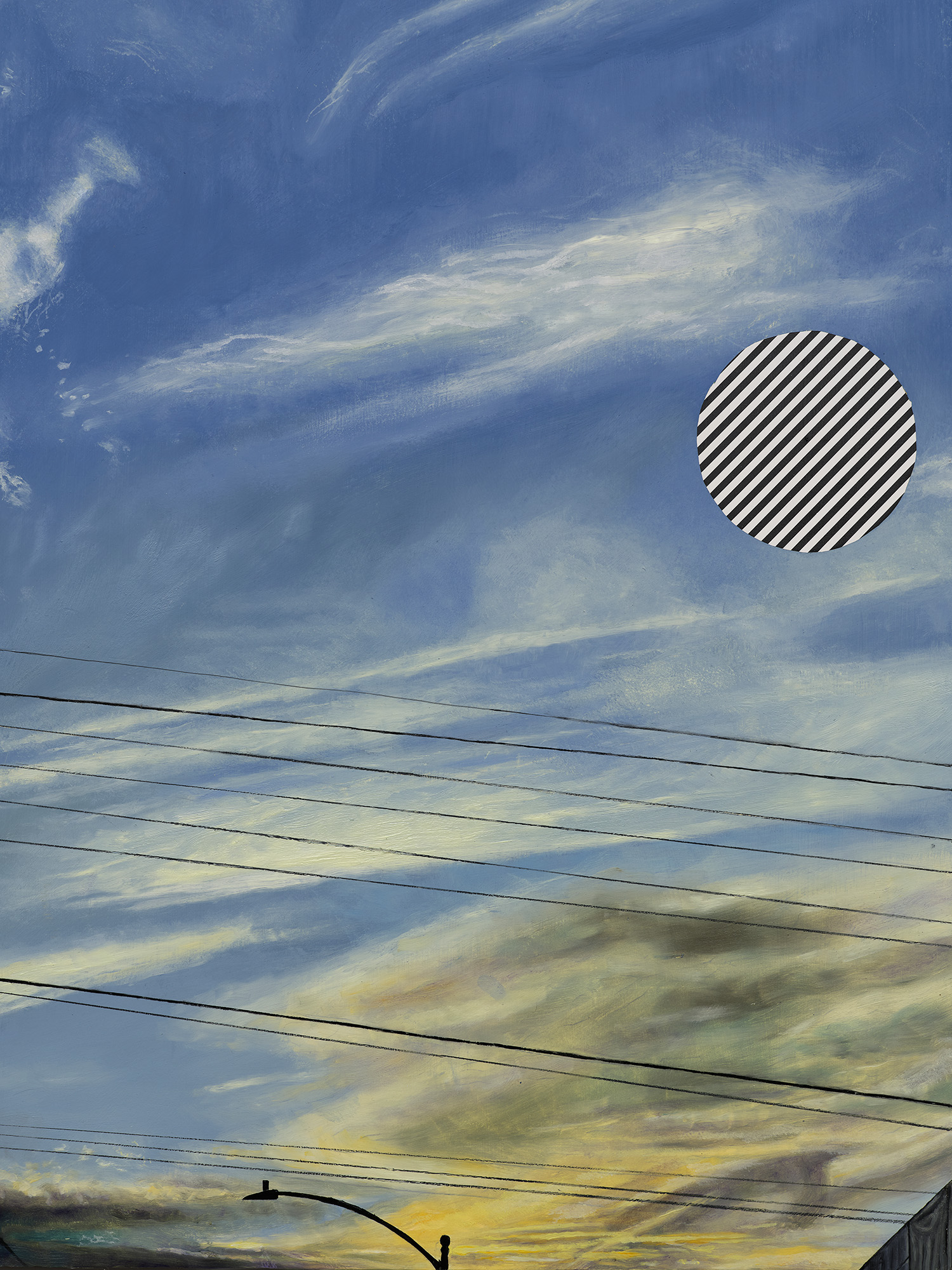
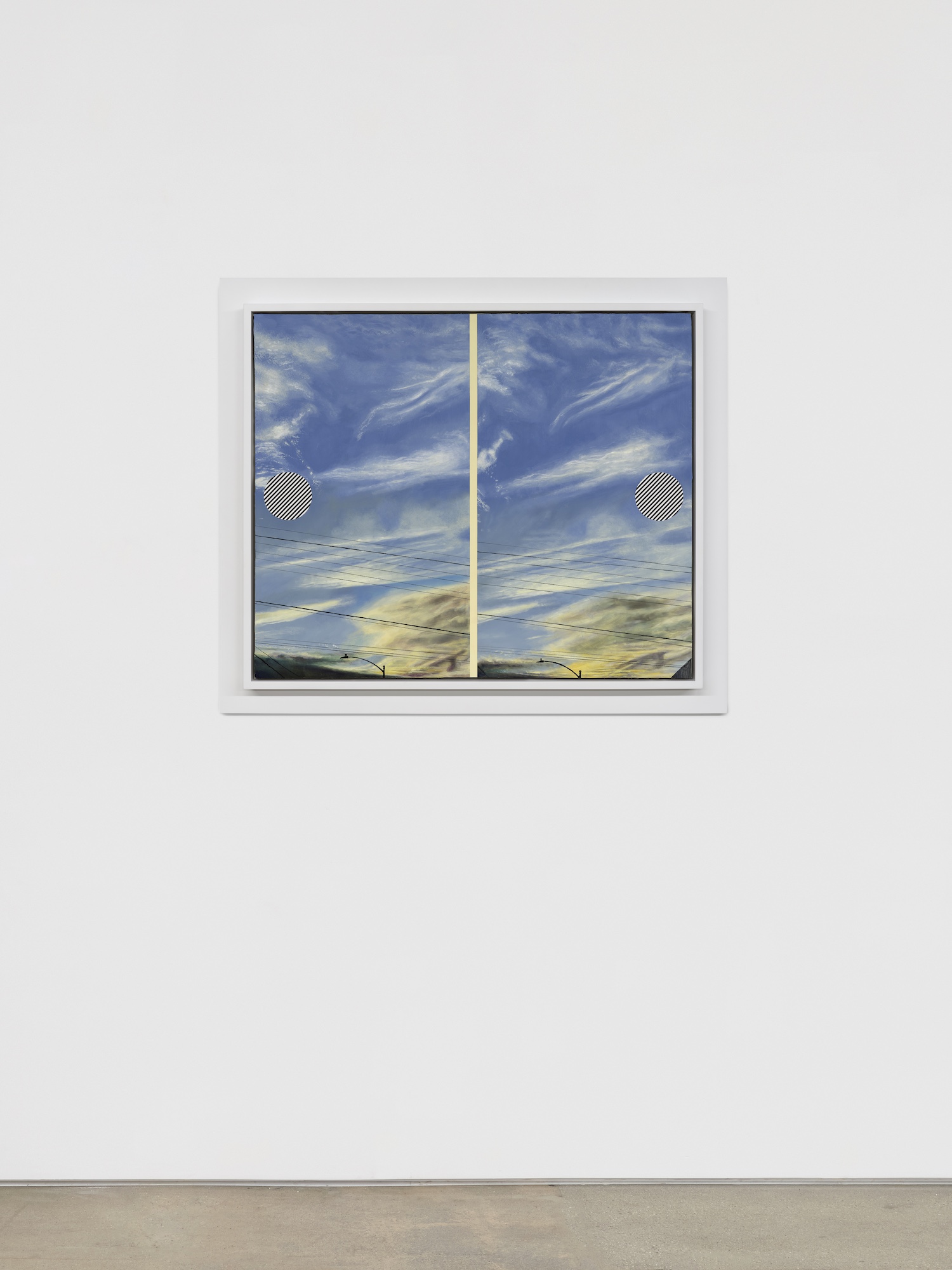
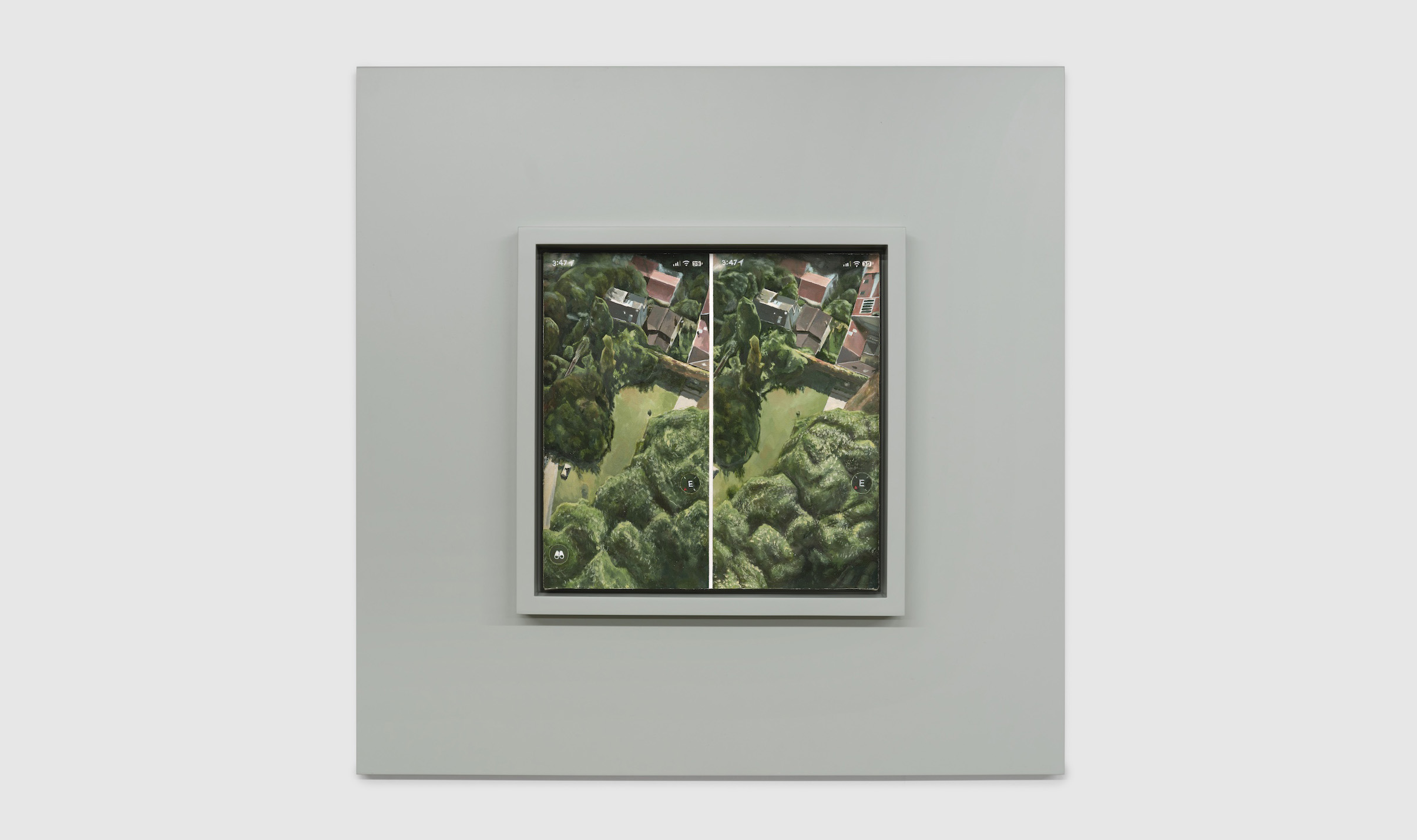
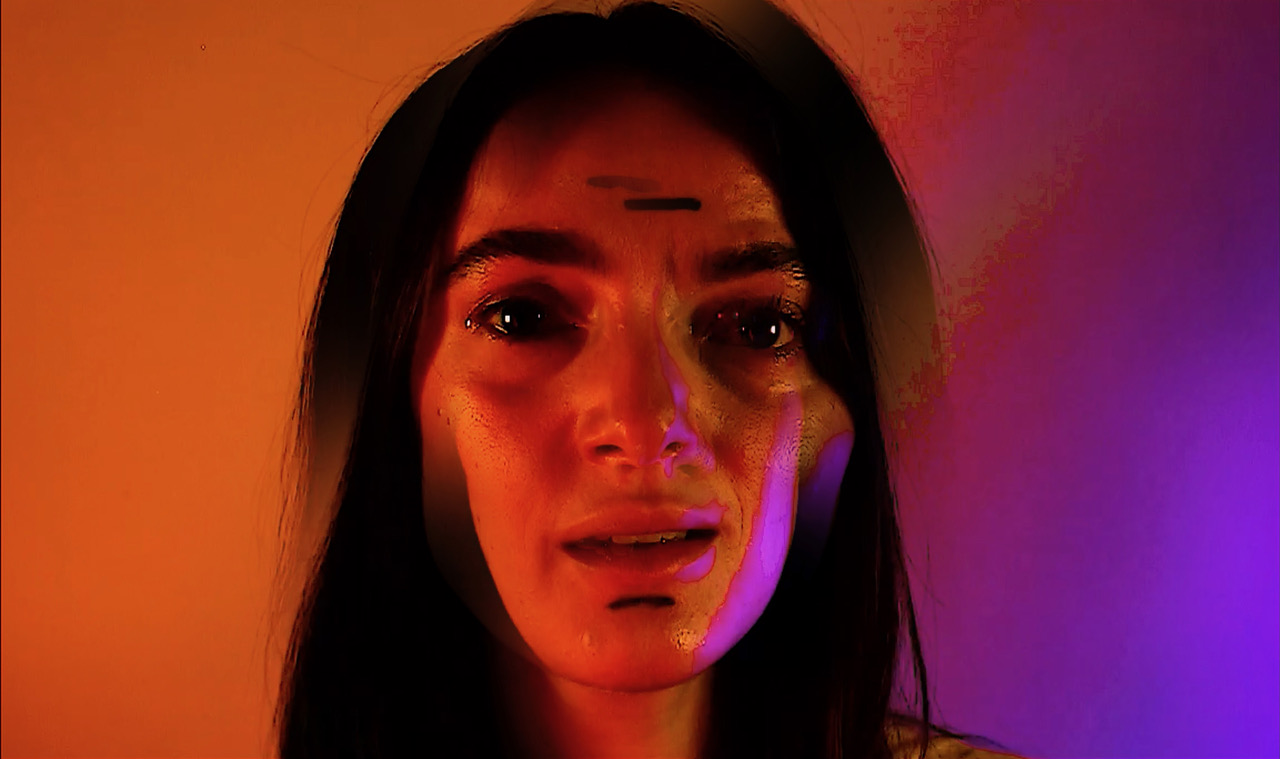
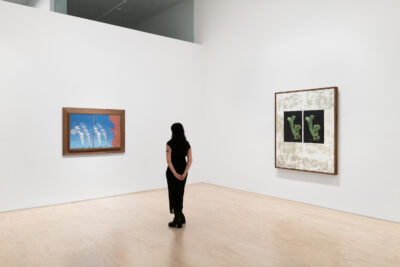
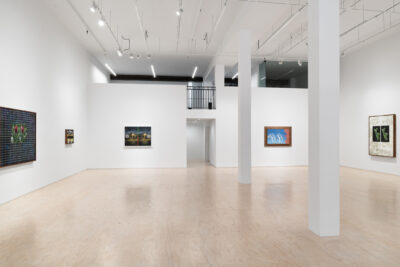
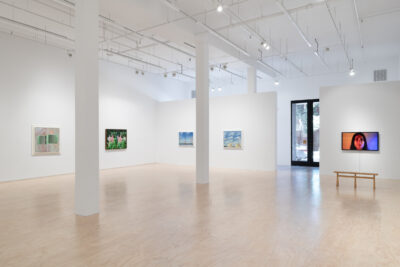
Jessica Silverman is pleased to present “Binocular Rivalry,” Julian Hoeber’s fourth solo exhibition with the gallery, on view June 5 through July 11, 2026. The exhibition features new paintings and a new video work presented with 3D glasses. The show is informed by the artist’s ongoing engagement with stereoscopic vision, or the brain’s process of registering a single image from the inputs of each eye. In an increasingly technological and image-saturated world, Hoeber’s work reminds us of the complexity of visual perception. This exhibition highlights the viewer’s sense of vision as an active operation instead of a passive act.
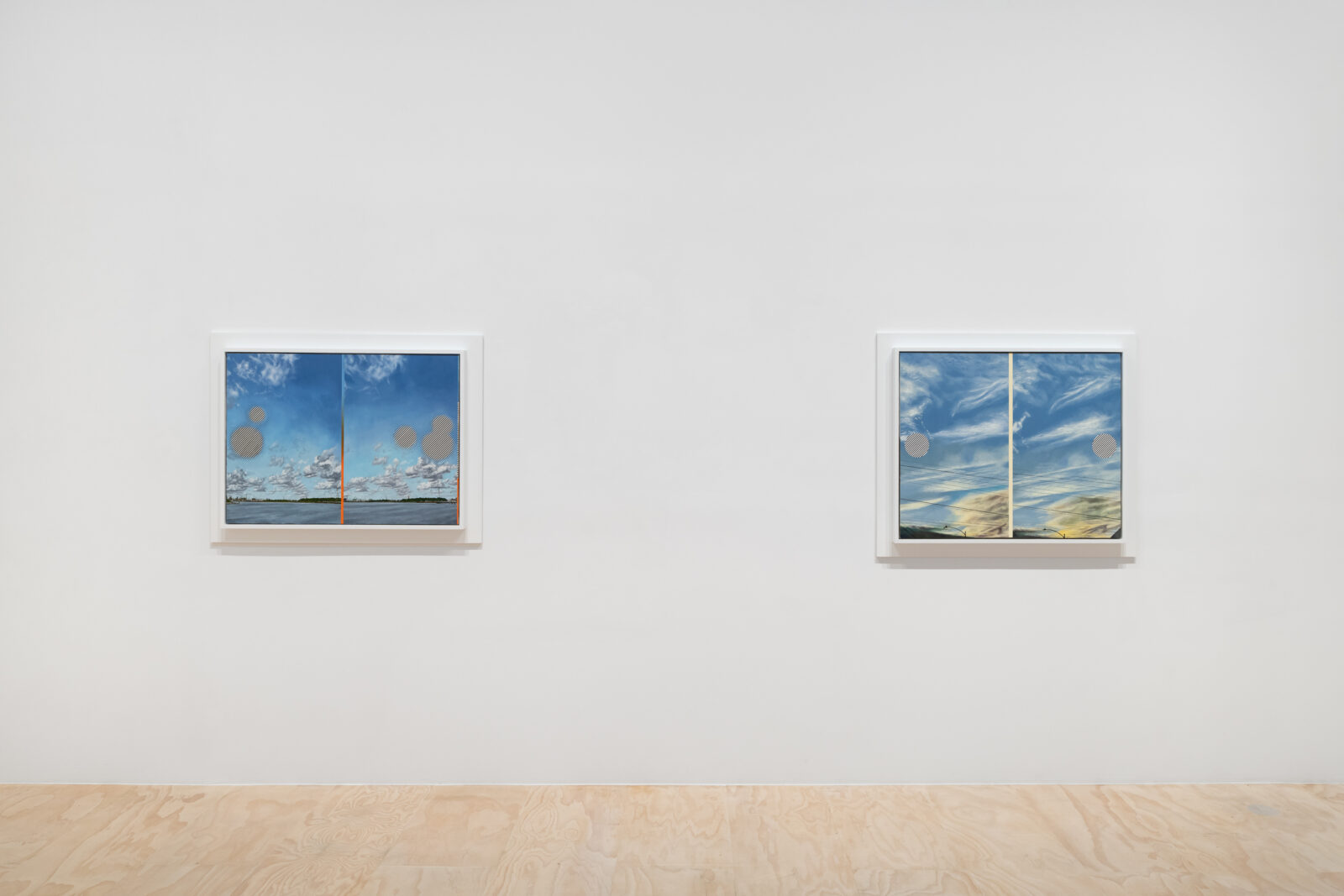
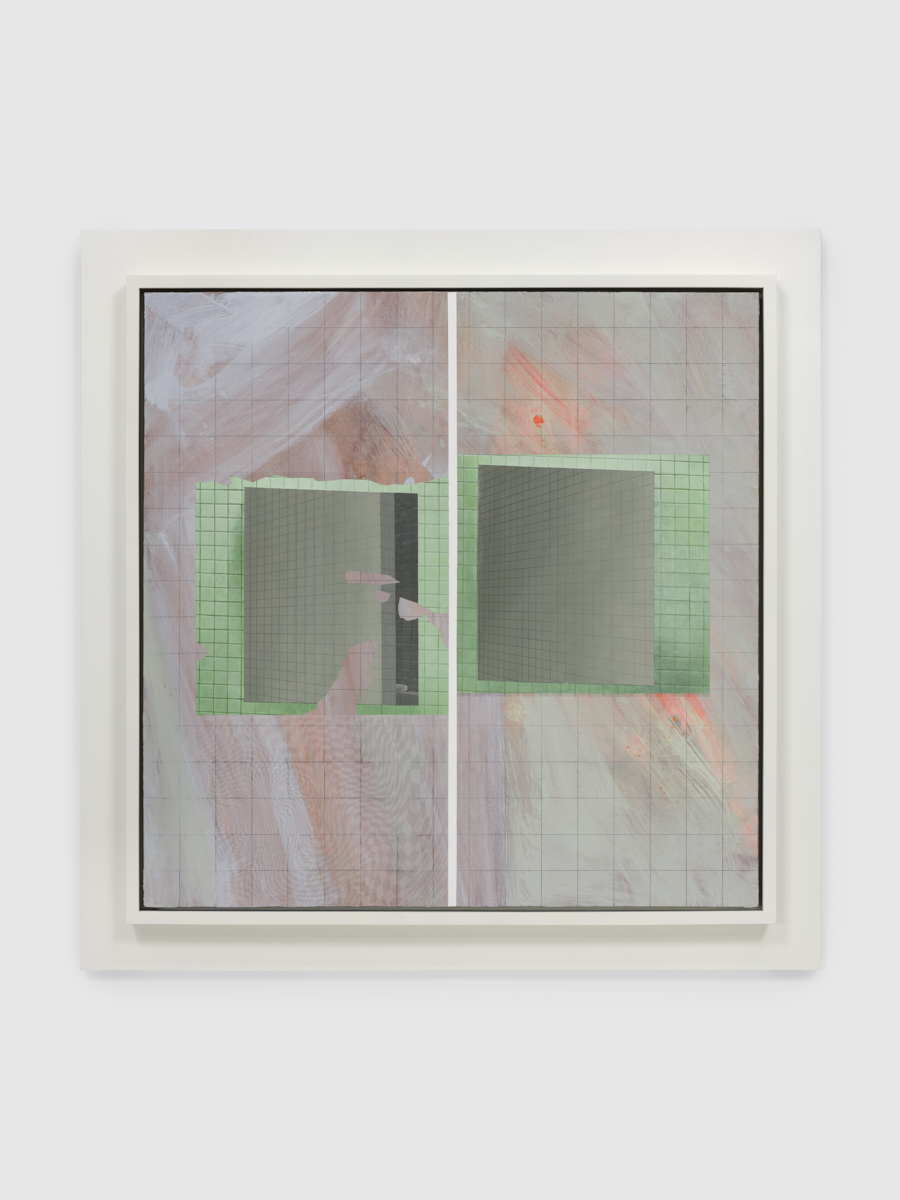
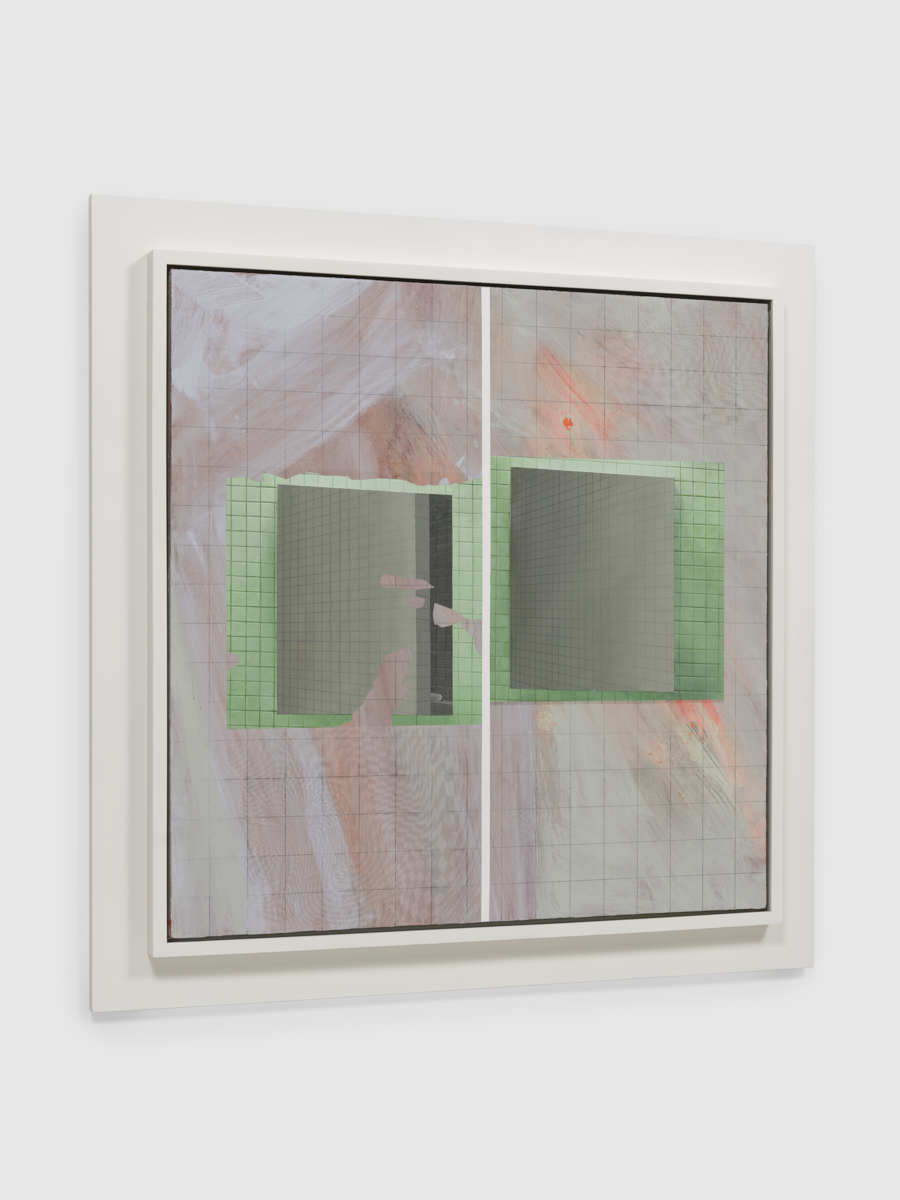
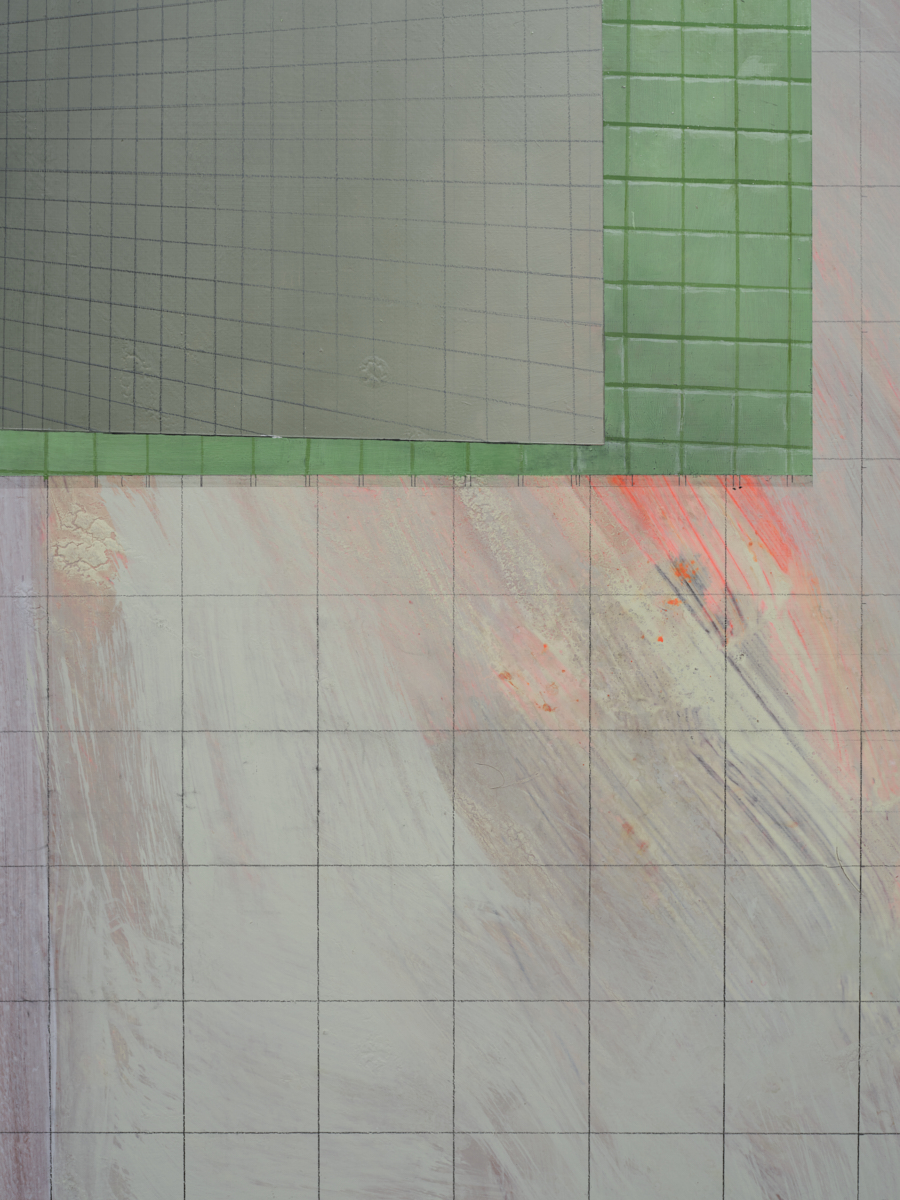
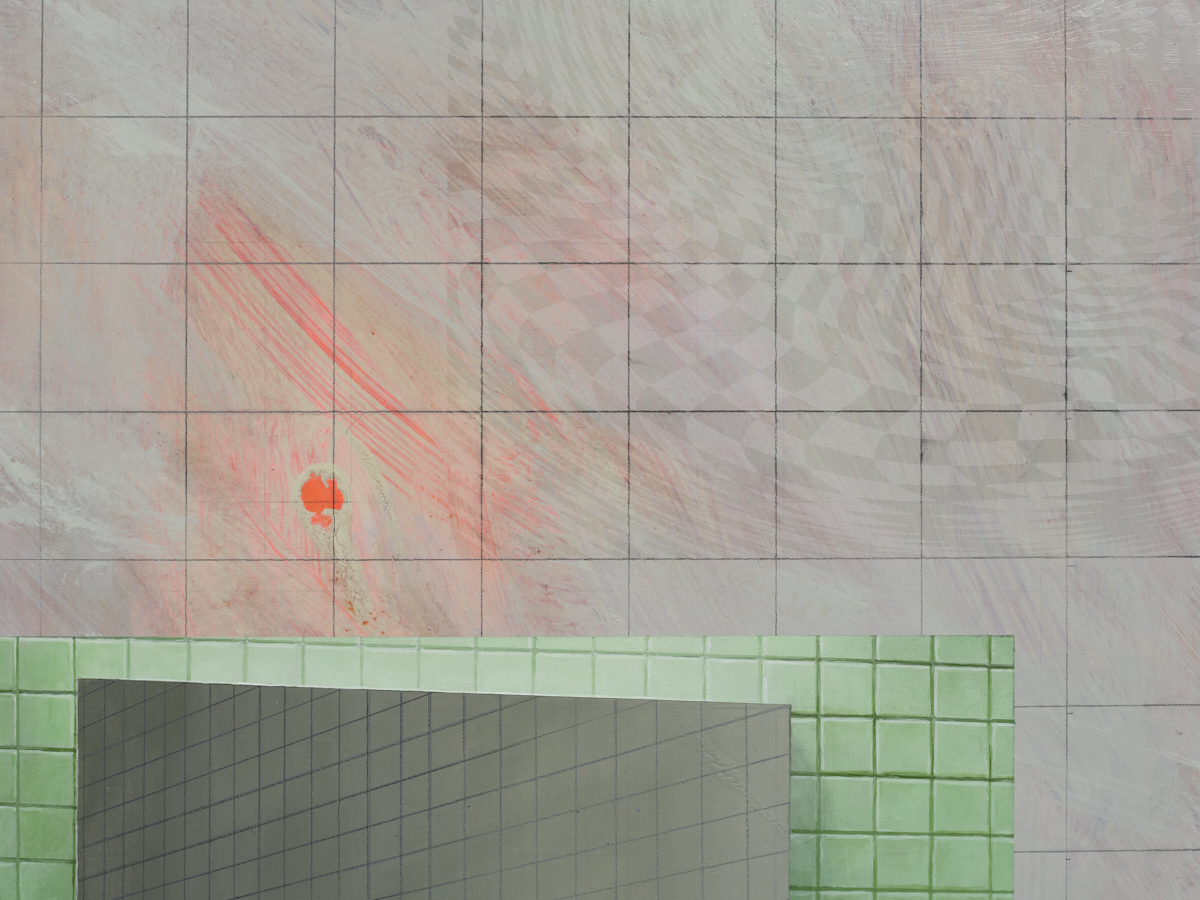
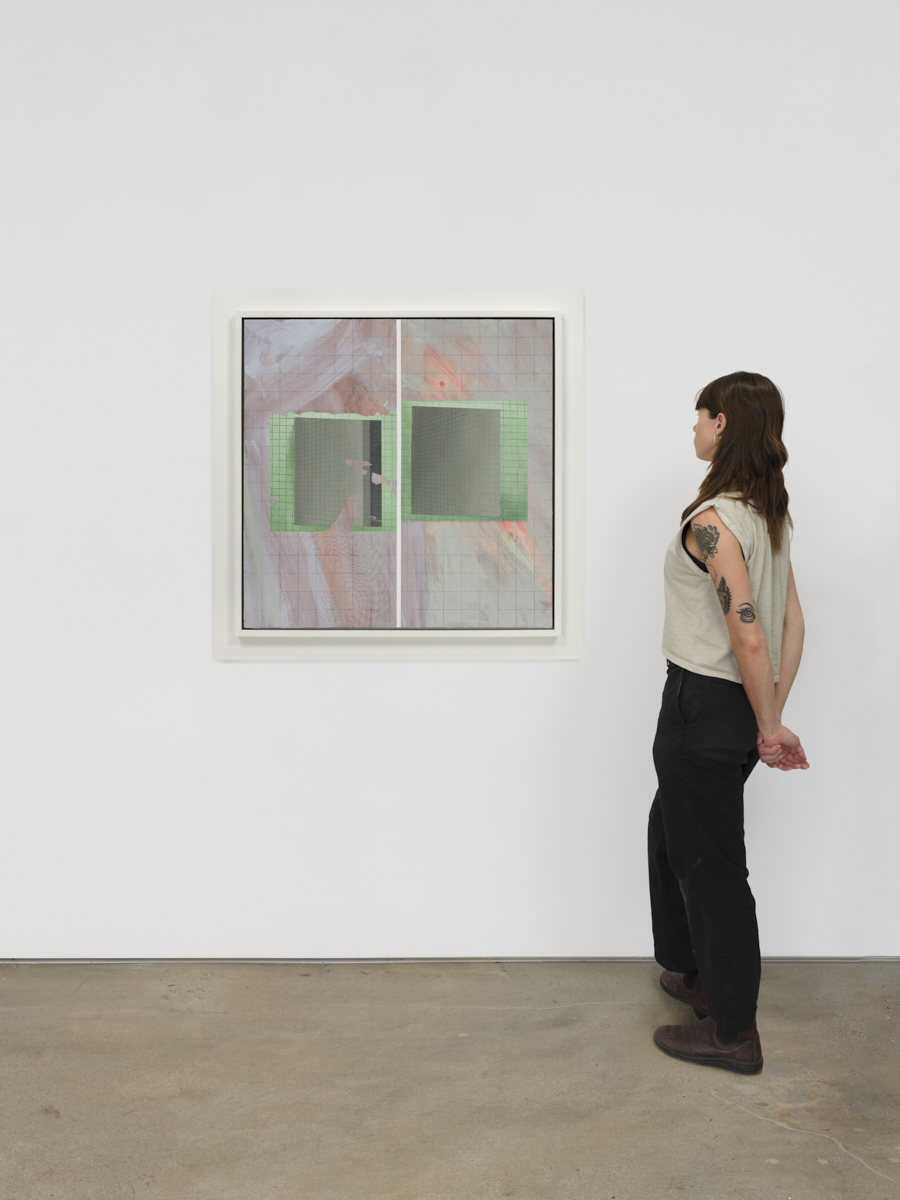
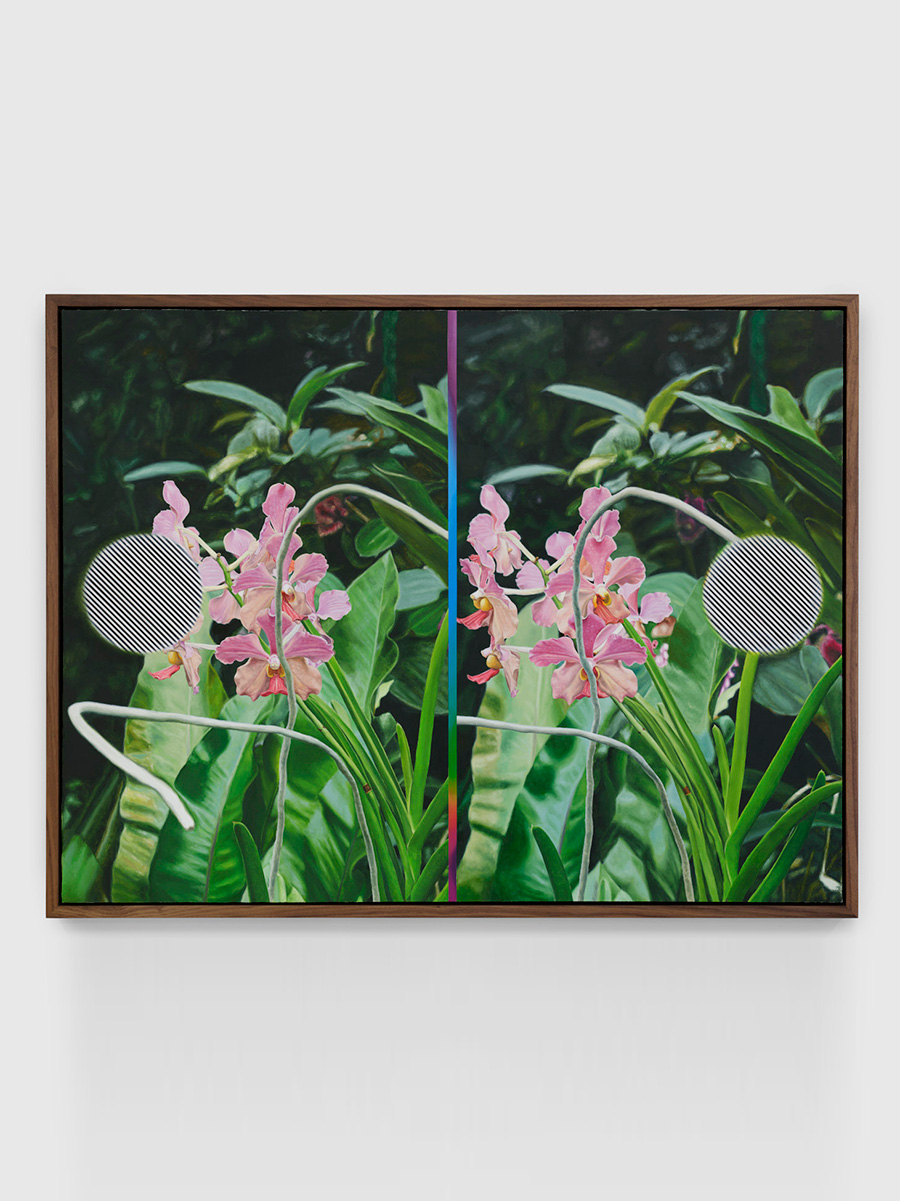
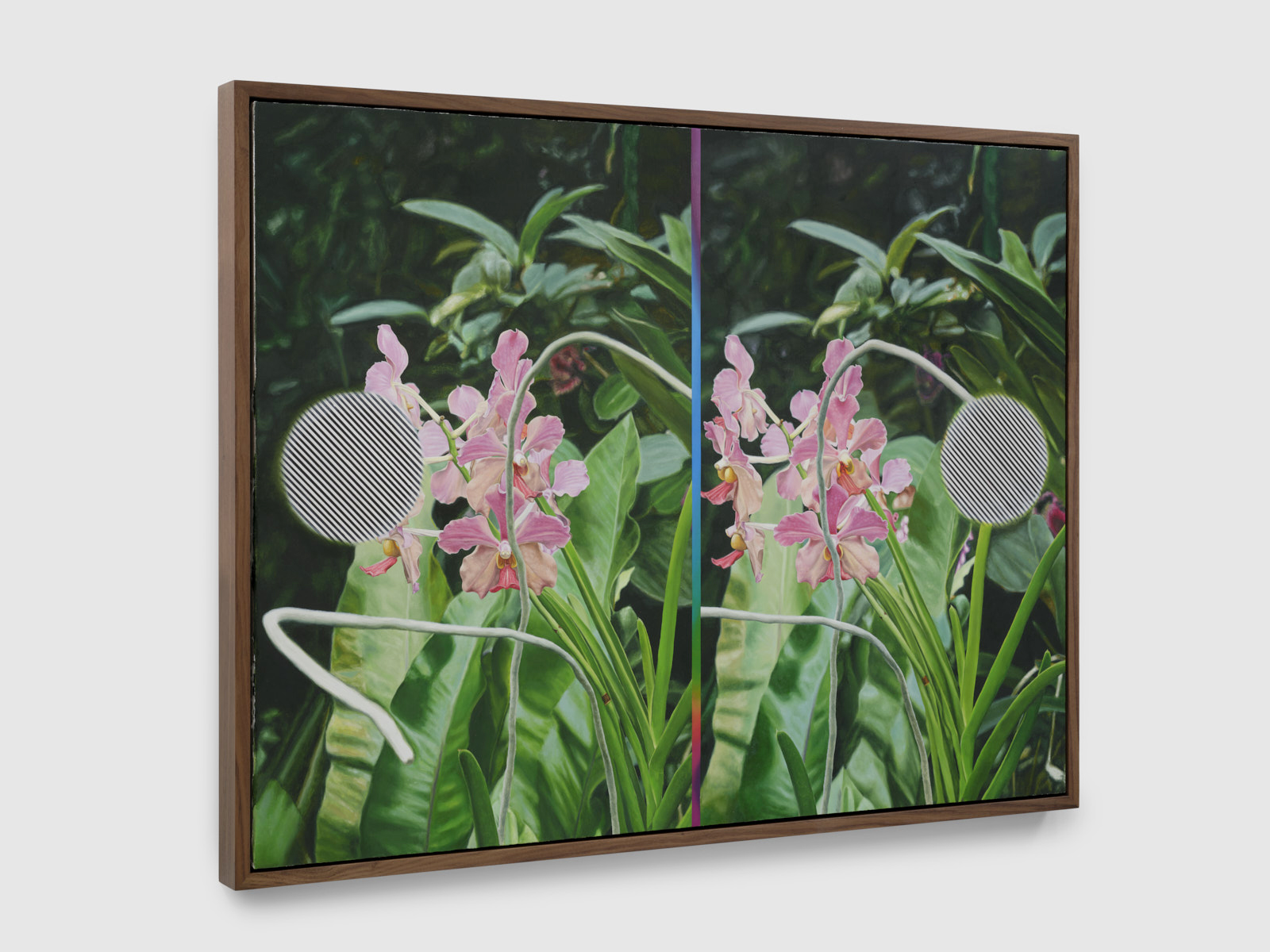
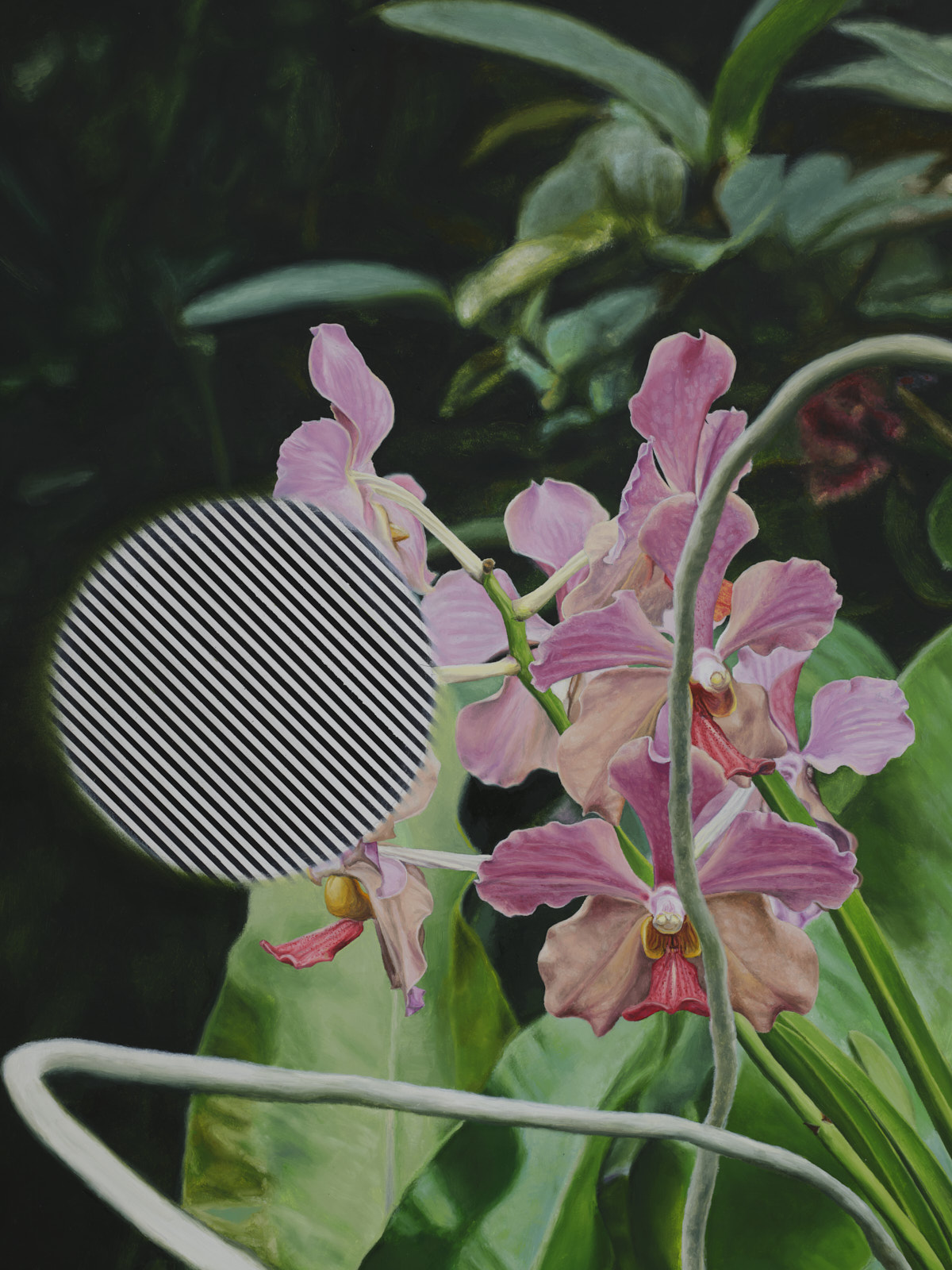
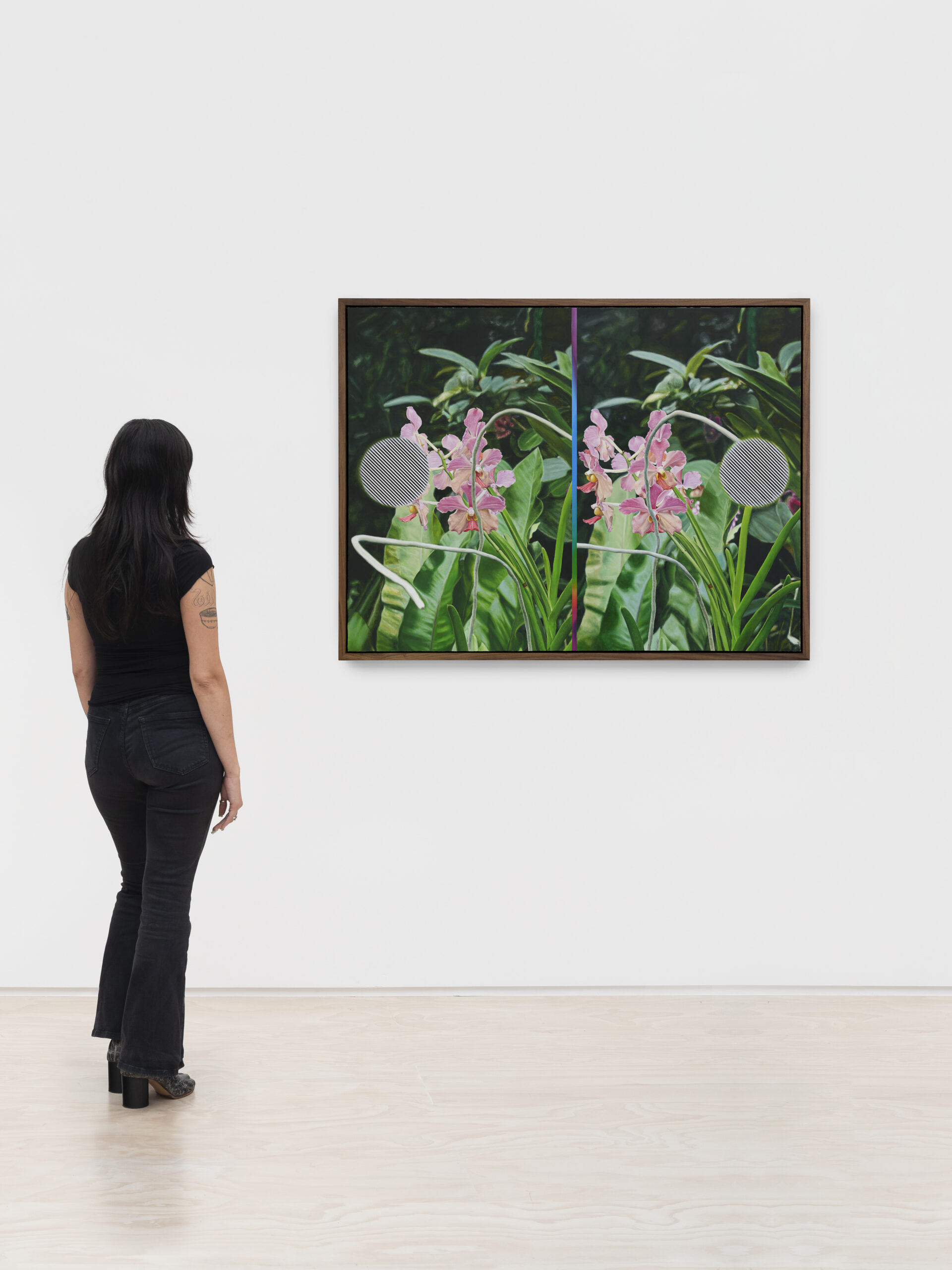
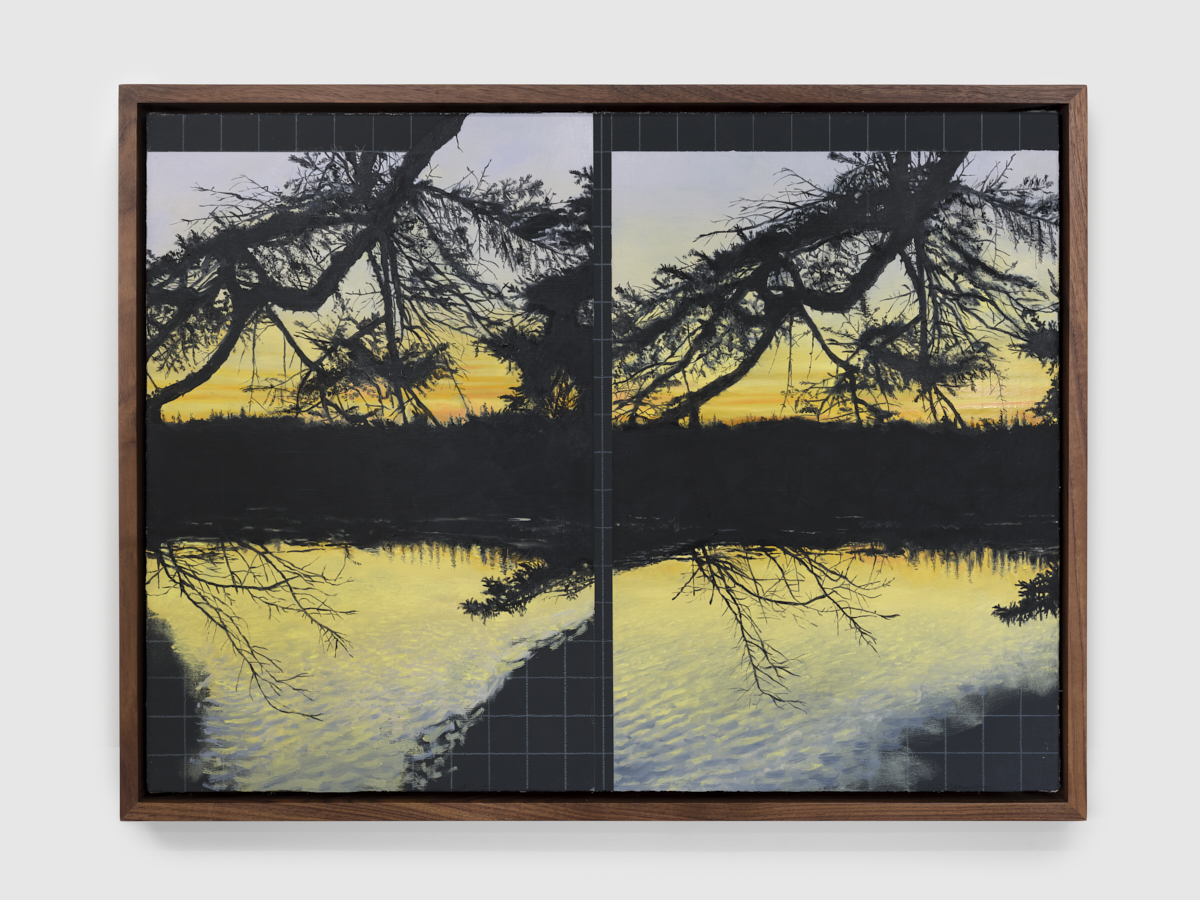
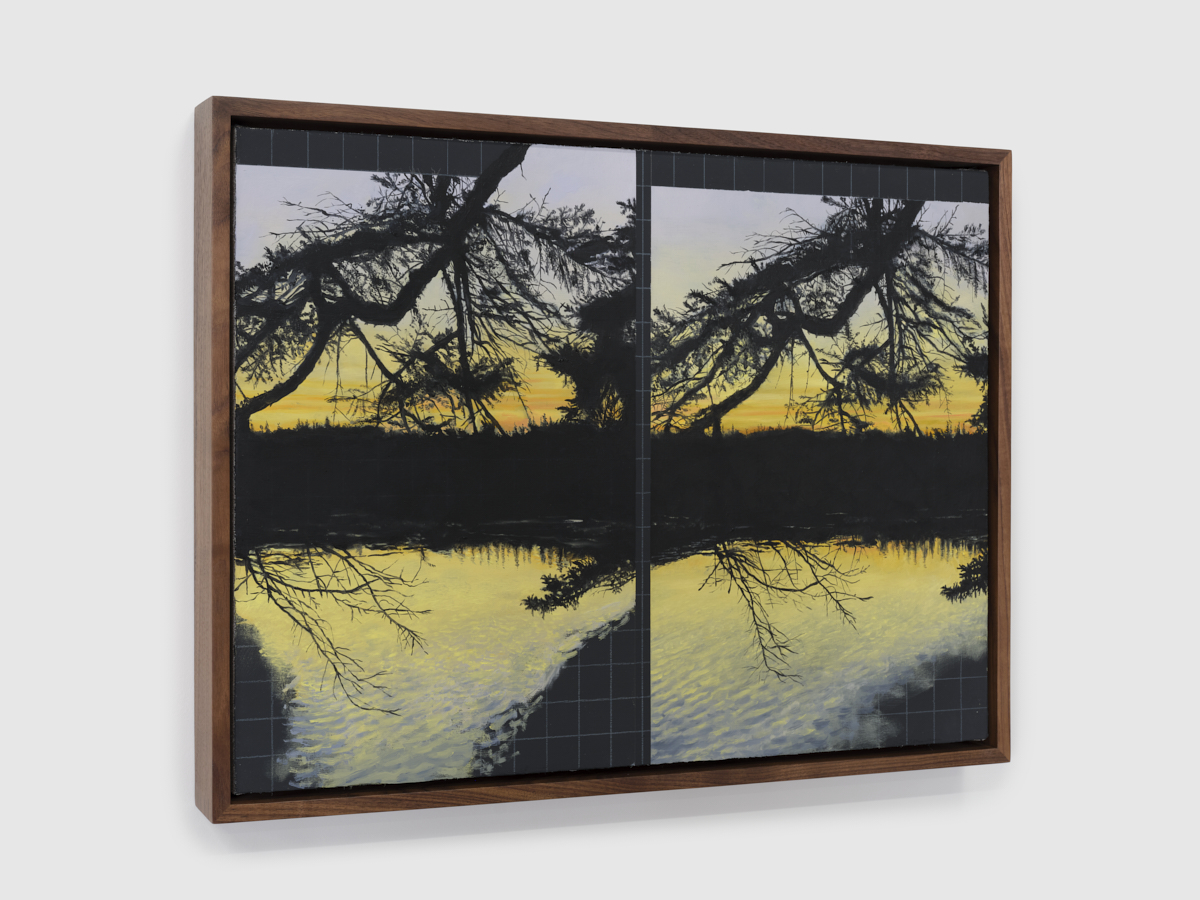
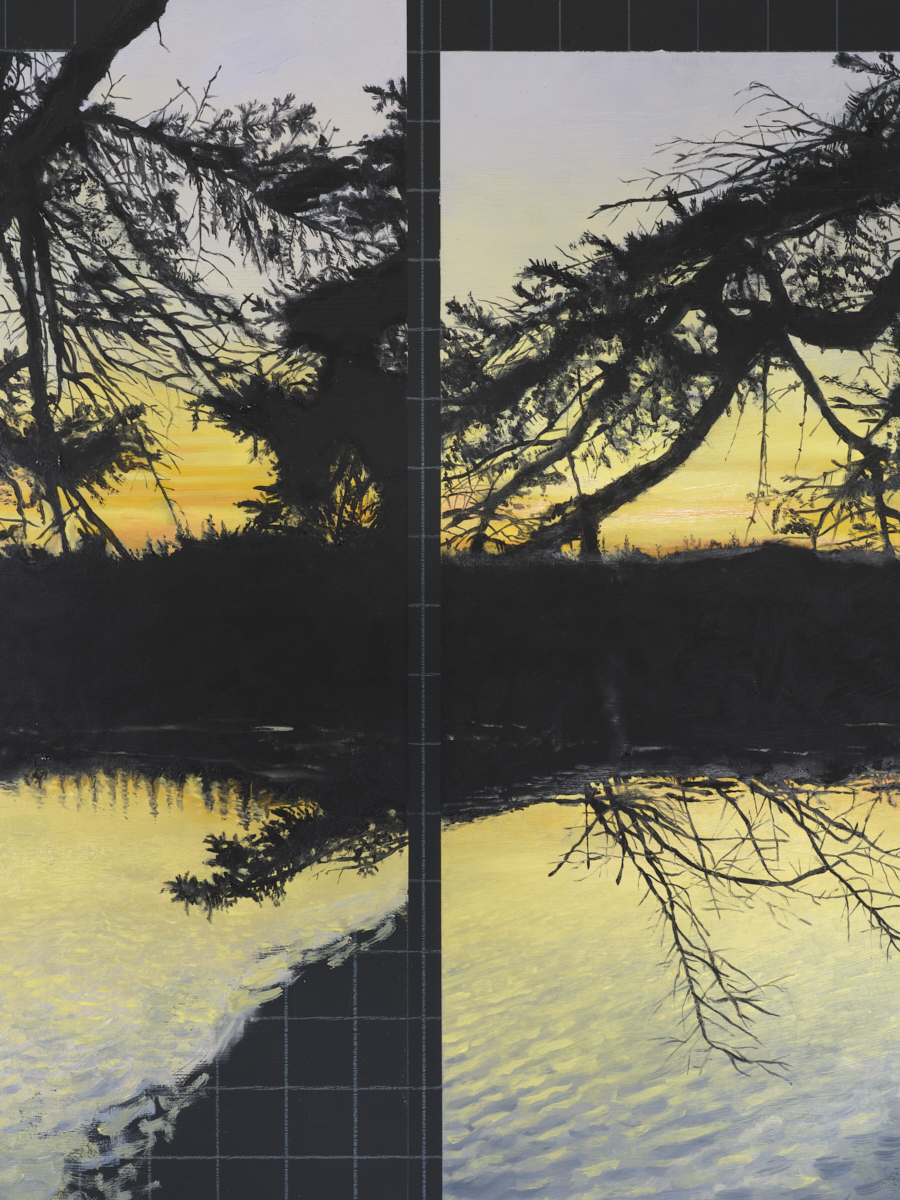
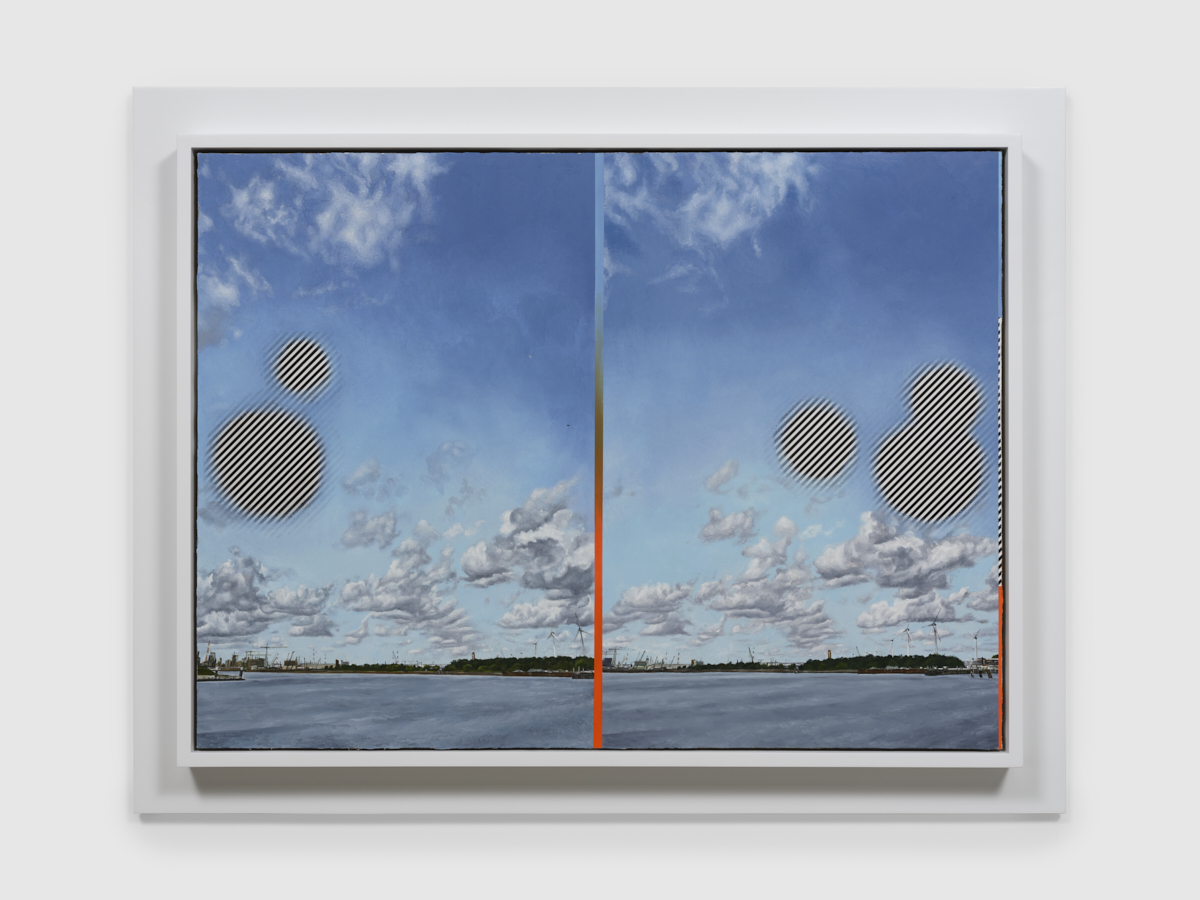
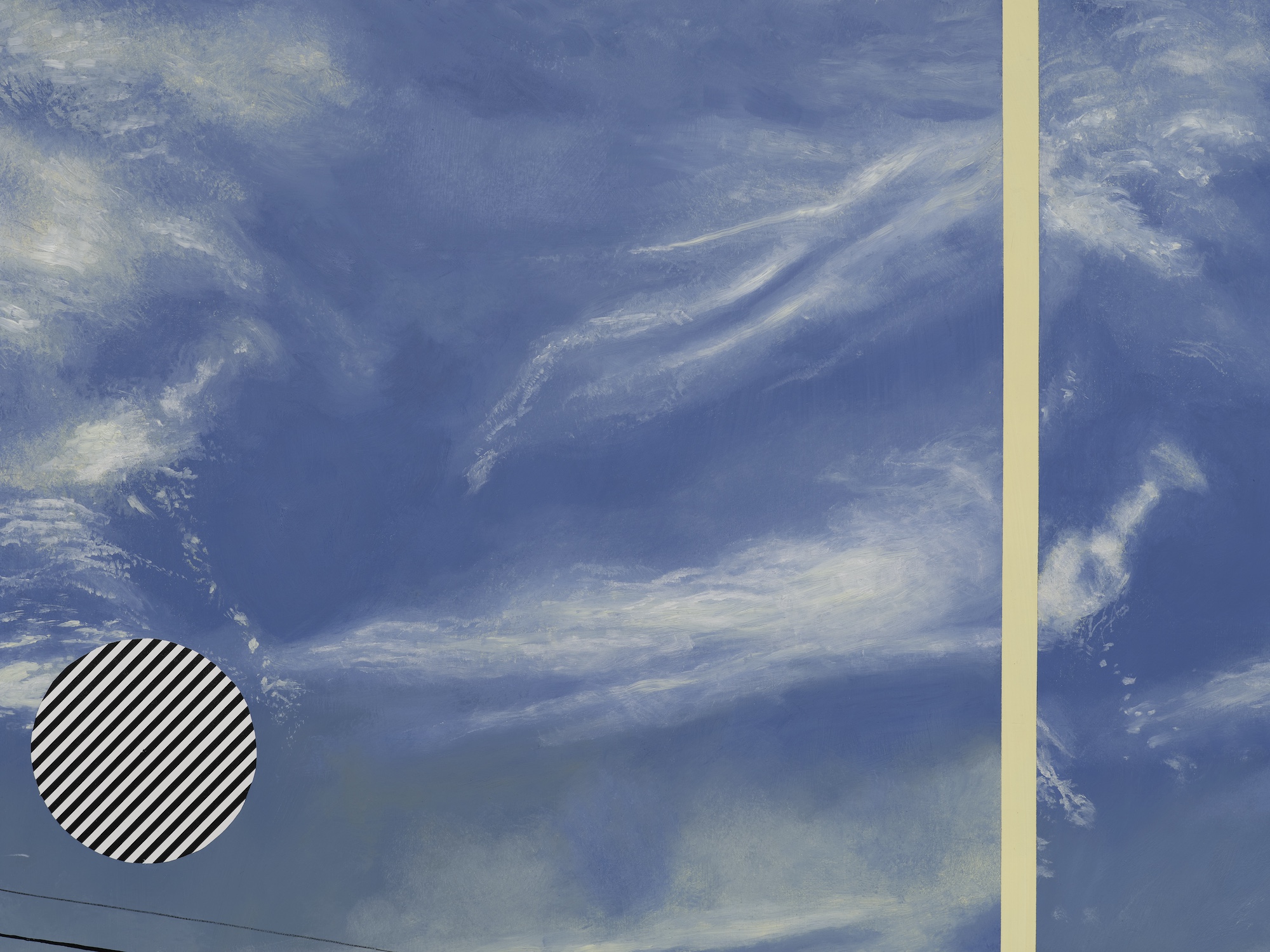
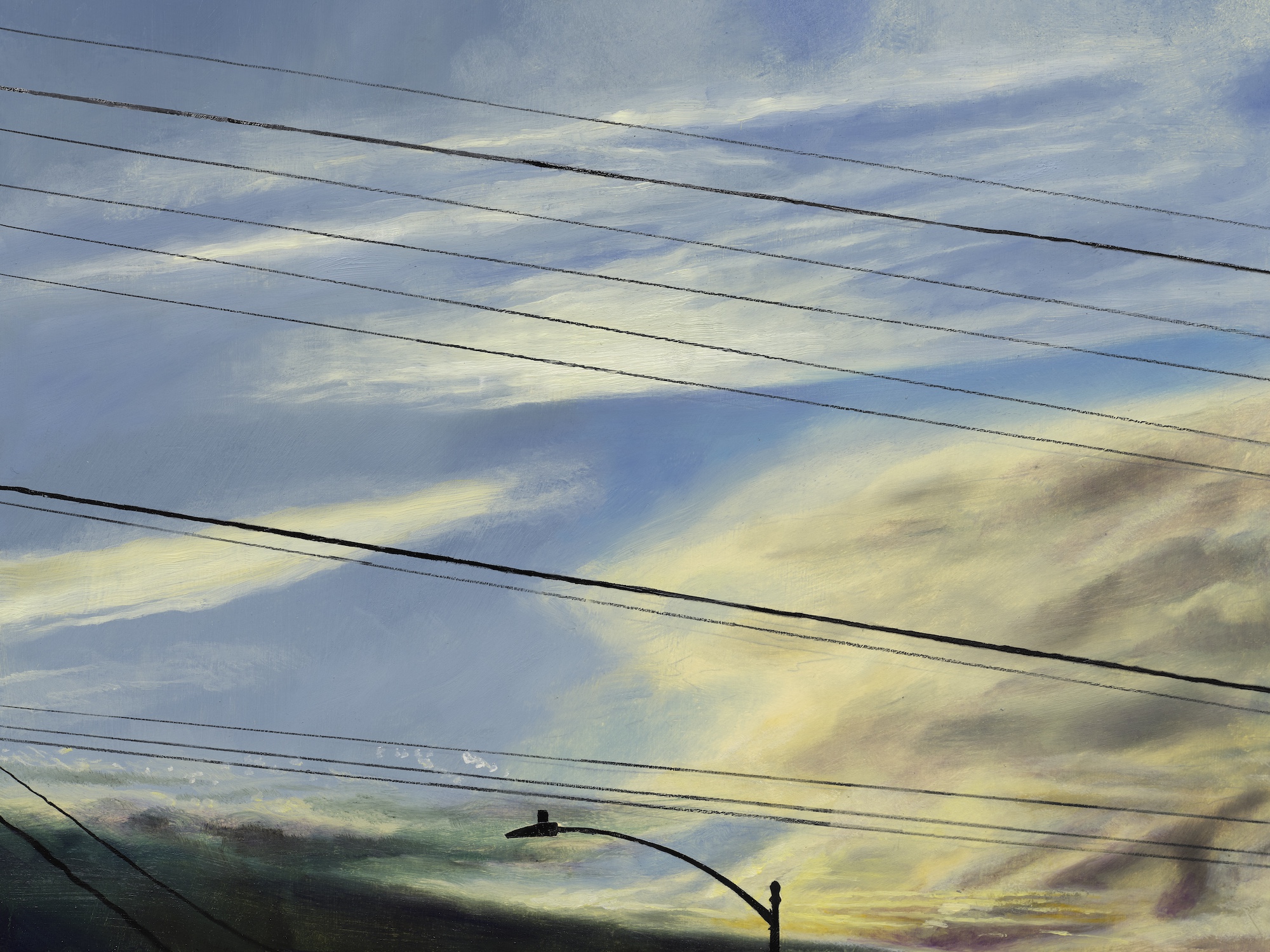
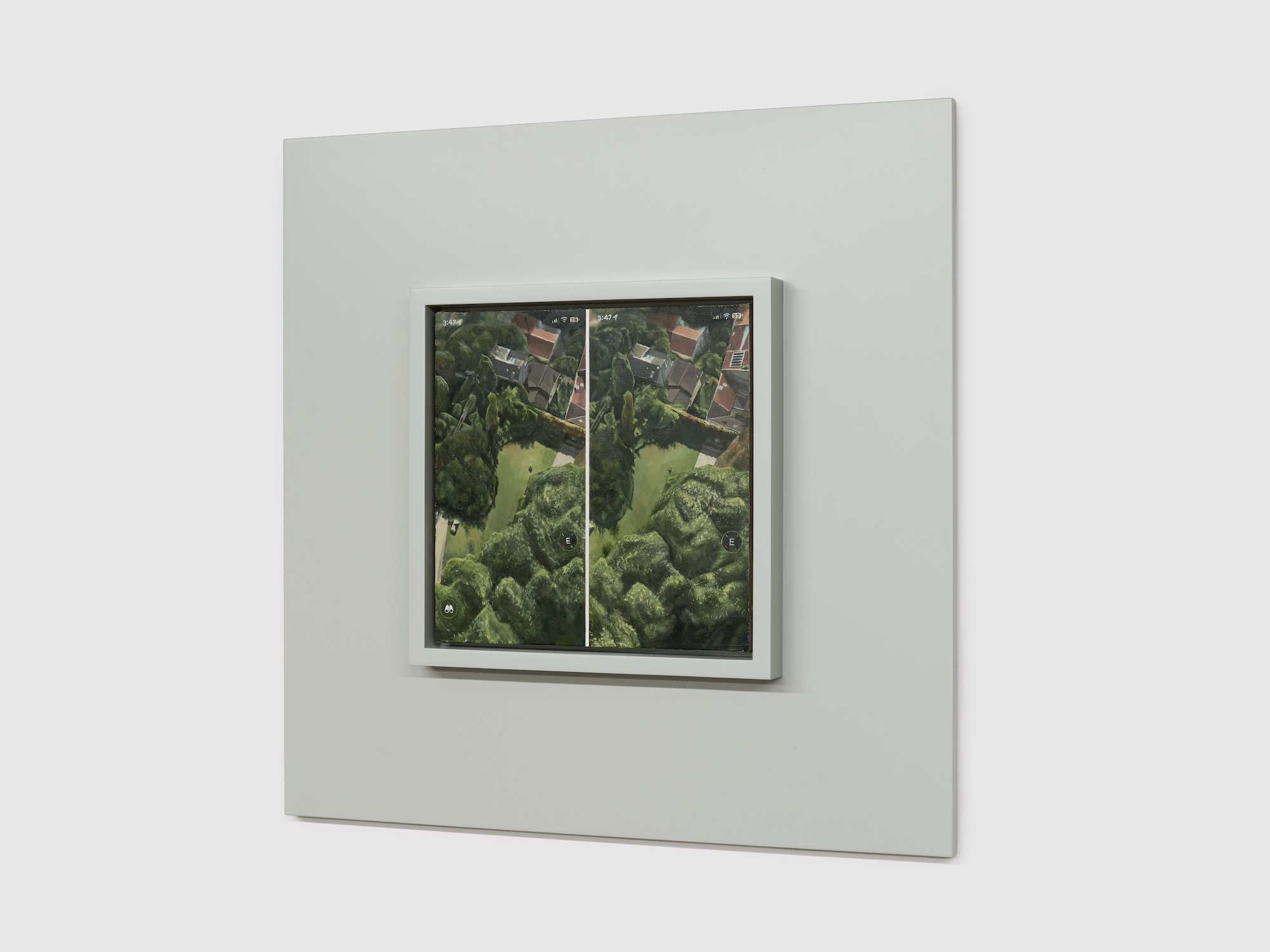
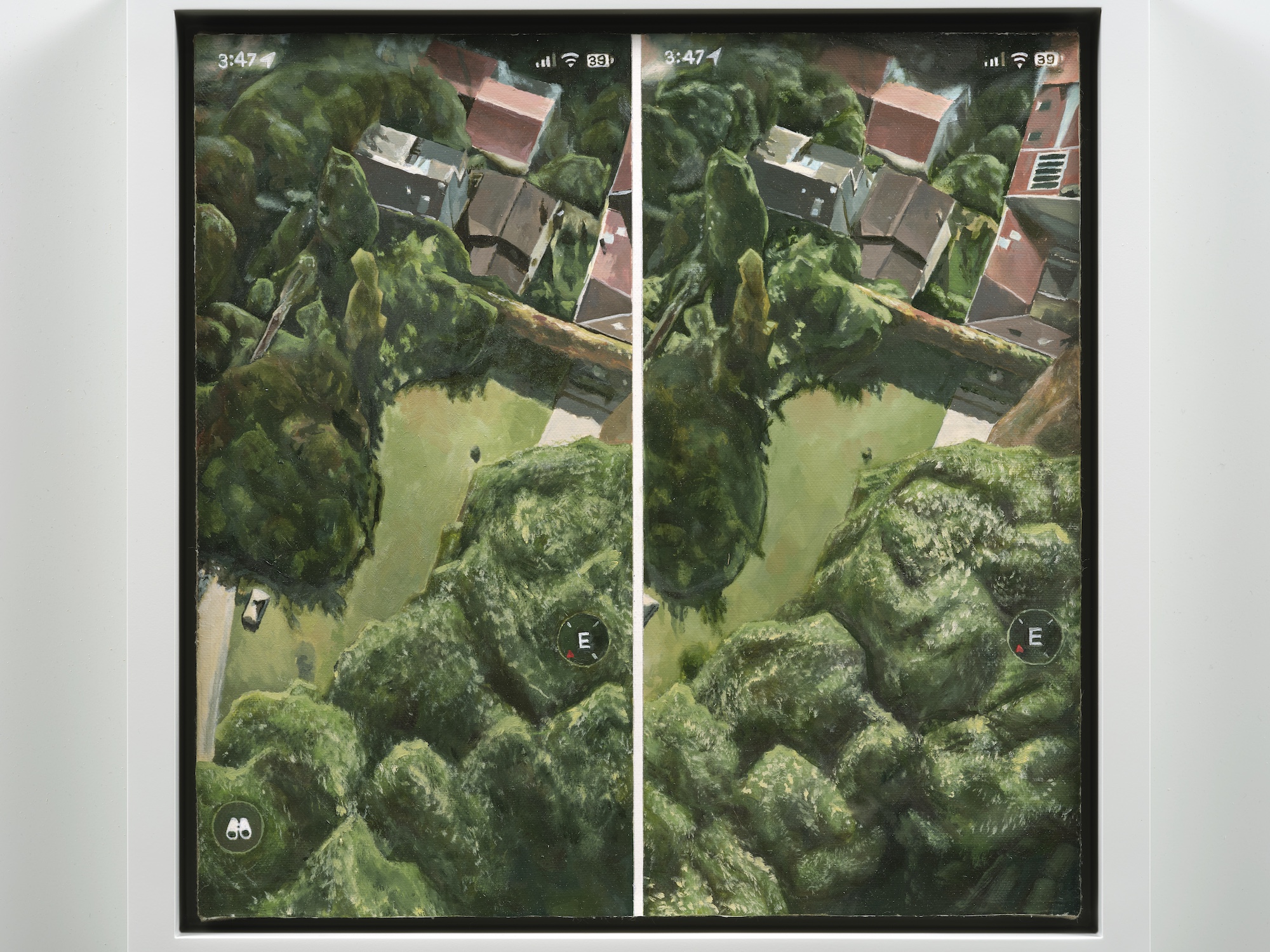
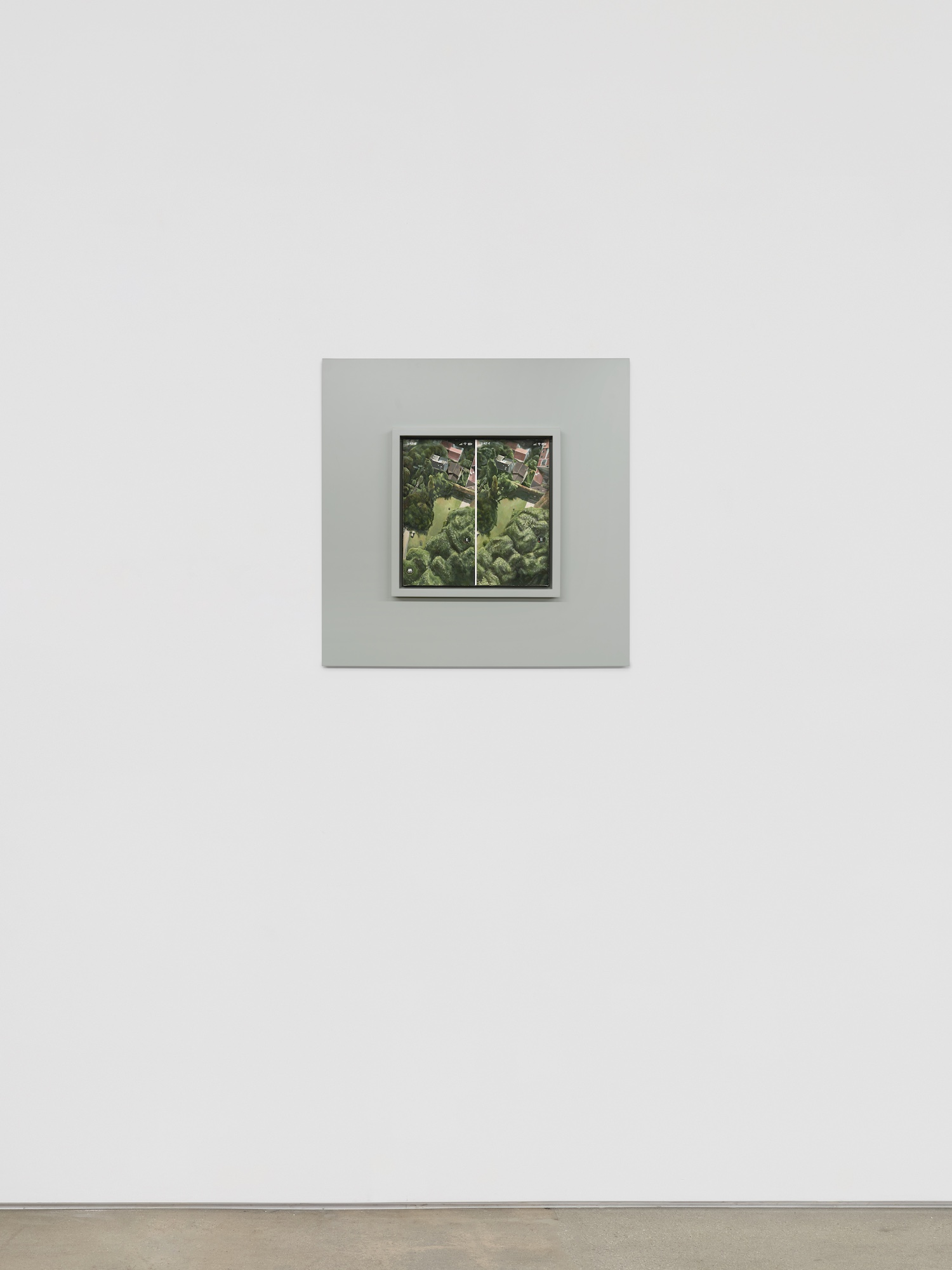
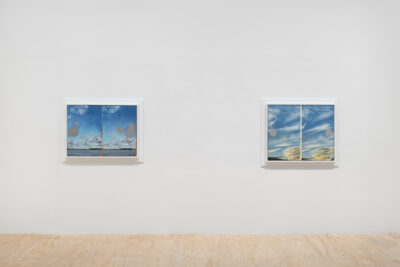
The paintings in the exhibition are inspired by the stereoscope, a device invented in the 19th-century that enabled seeing a 3D image from two distinct 2D images. The exhibition title references a visual phenomenon, or conflict, that occurs when each eye is presented with different images, and the brain alternates between them, or perceives a fragmented mashup of both. Depicting everyday surroundings as two juxtaposed images, Hoeber’s paintings invite us, in his words, to “see yourself seeing.”
Download press release
REQUEST PDF
INSTALLATION VIEW
GALLERY / GRID
SELECTED WORKS
Julian Hoeber
Binocular Vision, 2026
Oil, acrylic, and Flashe on linen over panel
65 7/8 x 66 x 3 1/4 inches / 167.3 x 167.6 x 8.3 cm
Binocular Vision, 2026
Oil, acrylic, and Flashe on linen over panel
65 7/8 x 66 x 3 1/4 inches / 167.3 x 167.6 x 8.3 cm
INQUIRE
Julian Hoeber
Grid Multiplicities (After Caulfield), 2026
Oil, acrylic, Flashe, colored pencil, graphite, and water-based silkscreen ink on linen over panel
44 1/8 x 44 1/8 x 2 1/4 inches / 112.1 x 112.1 x 5.7 cm
Grid Multiplicities (After Caulfield), 2026
Oil, acrylic, Flashe, colored pencil, graphite, and water-based silkscreen ink on linen over panel
44 1/8 x 44 1/8 x 2 1/4 inches / 112.1 x 112.1 x 5.7 cm
INQUIRE
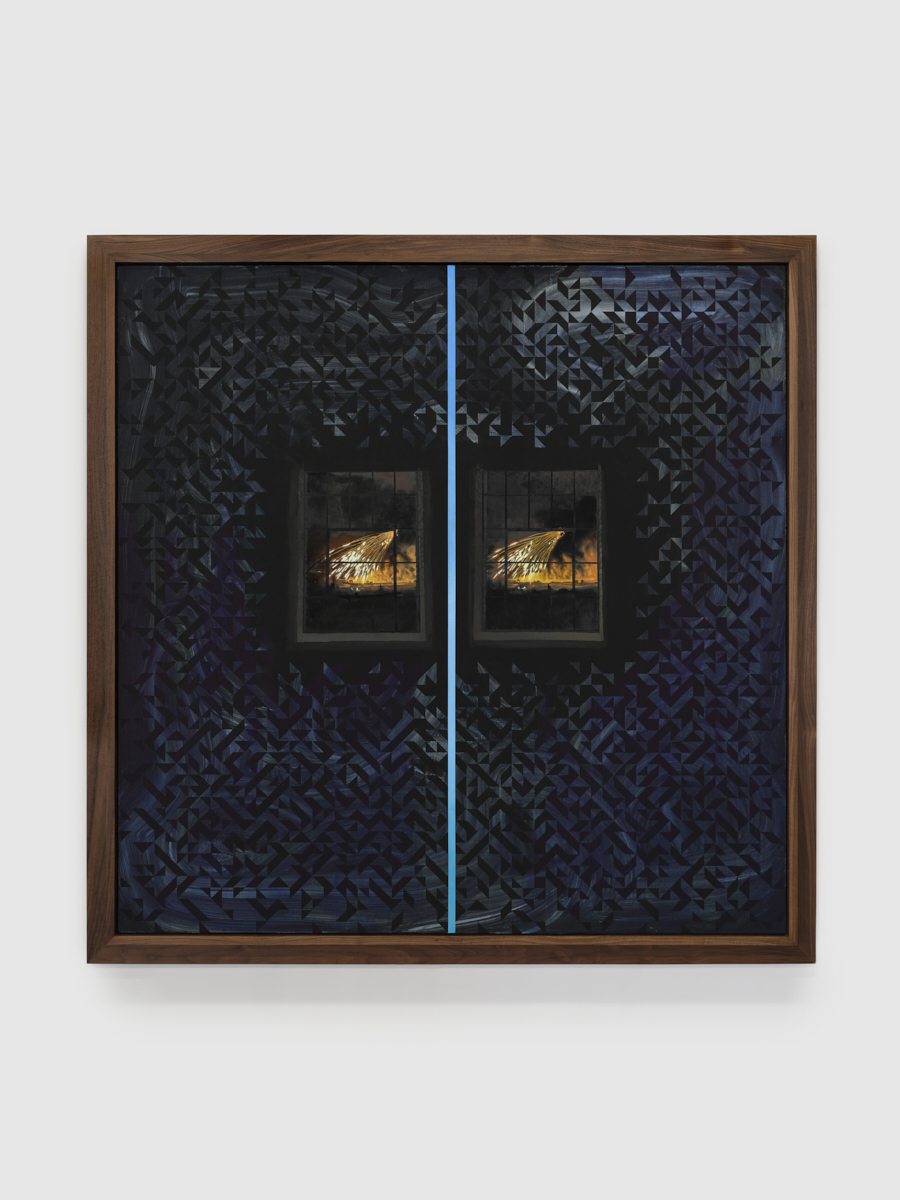
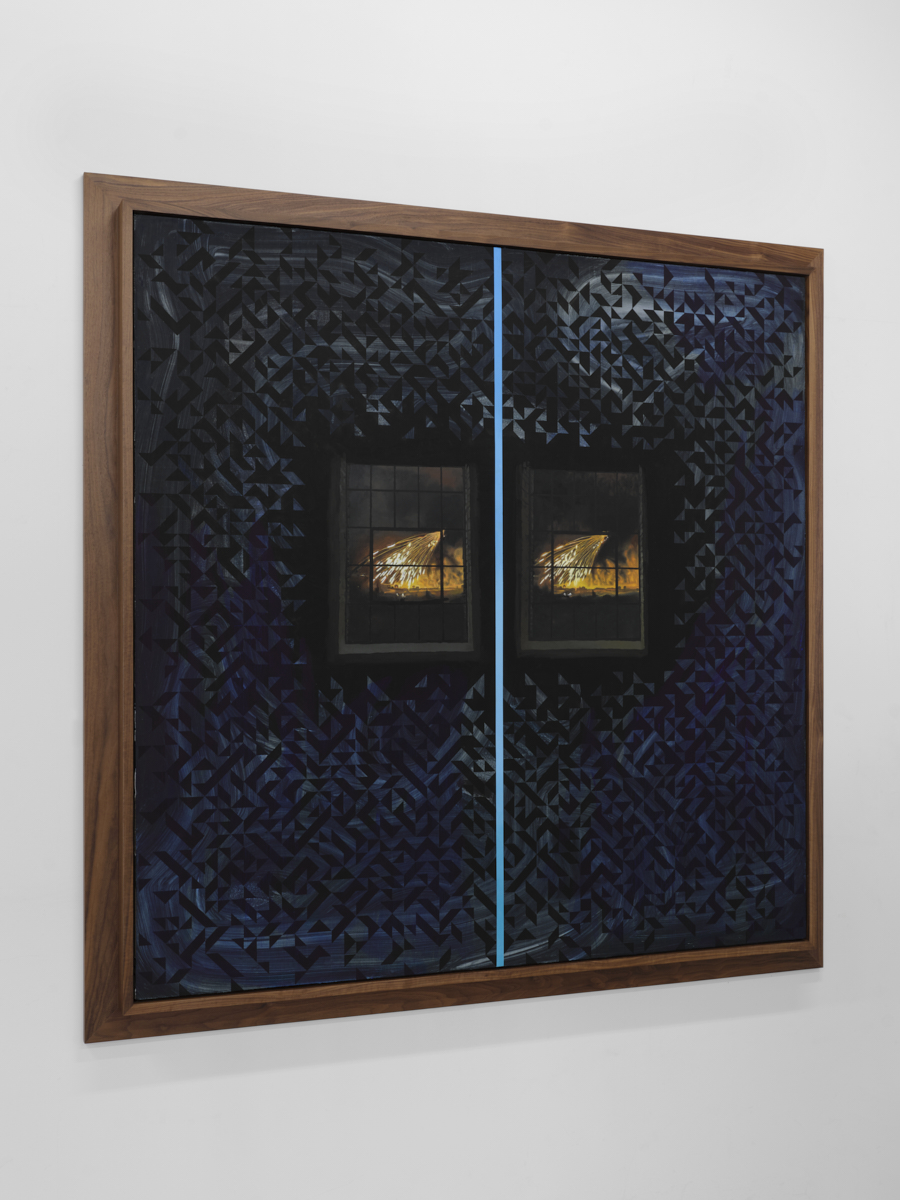
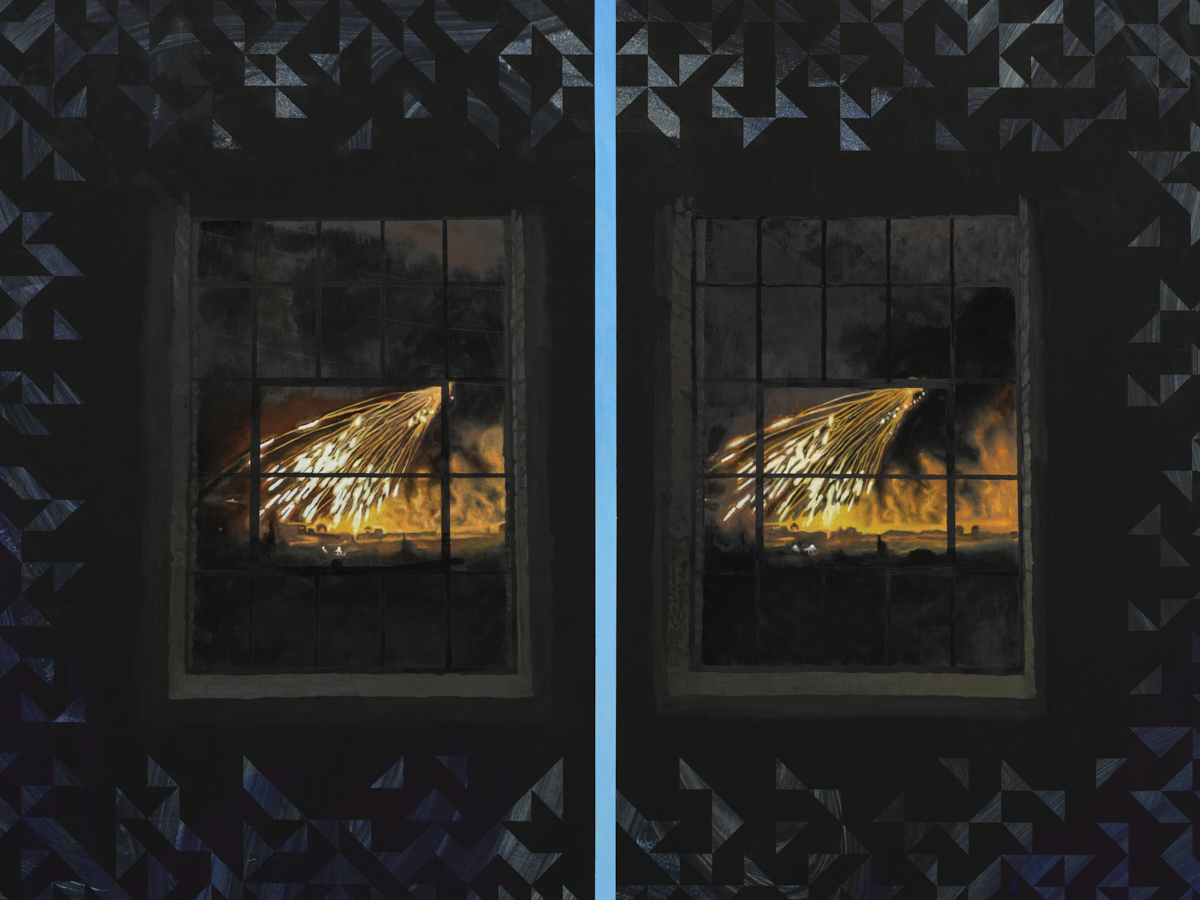
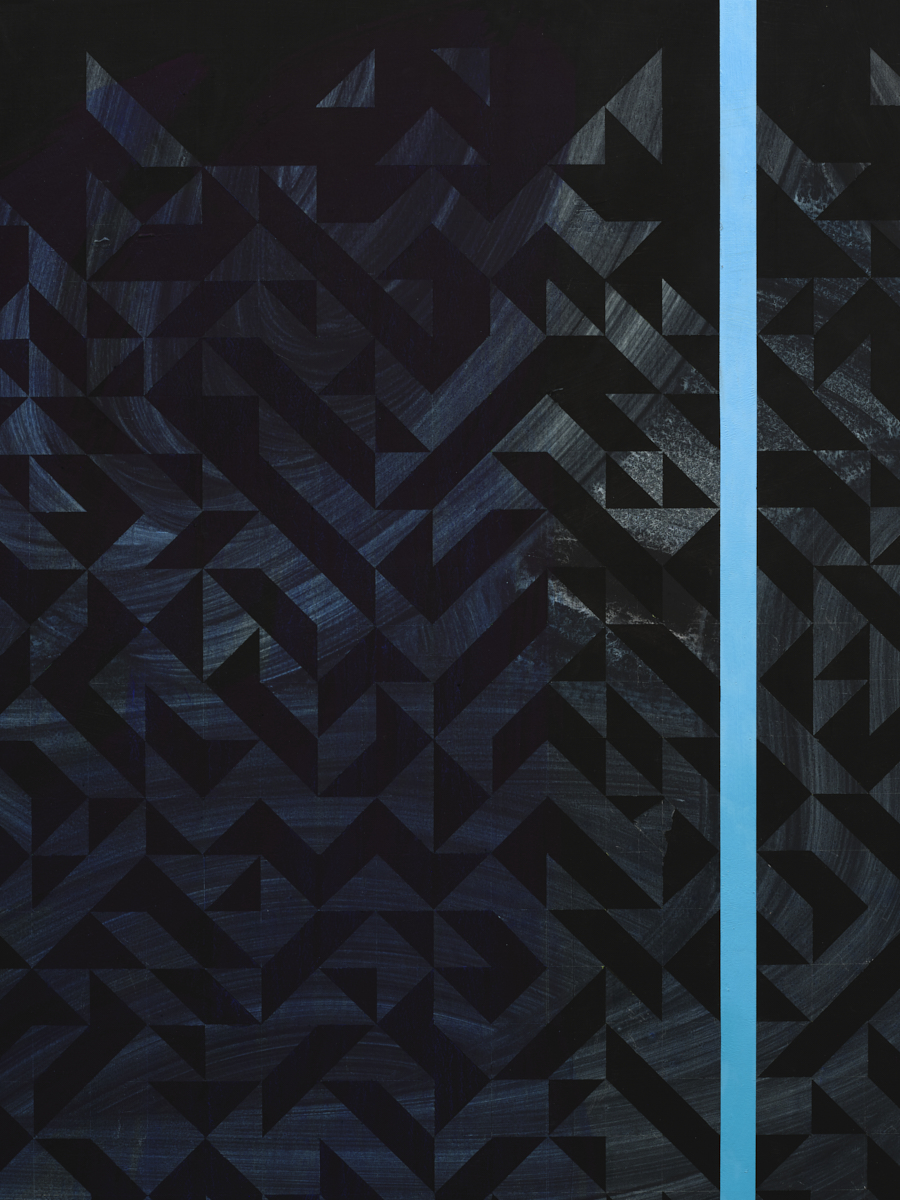
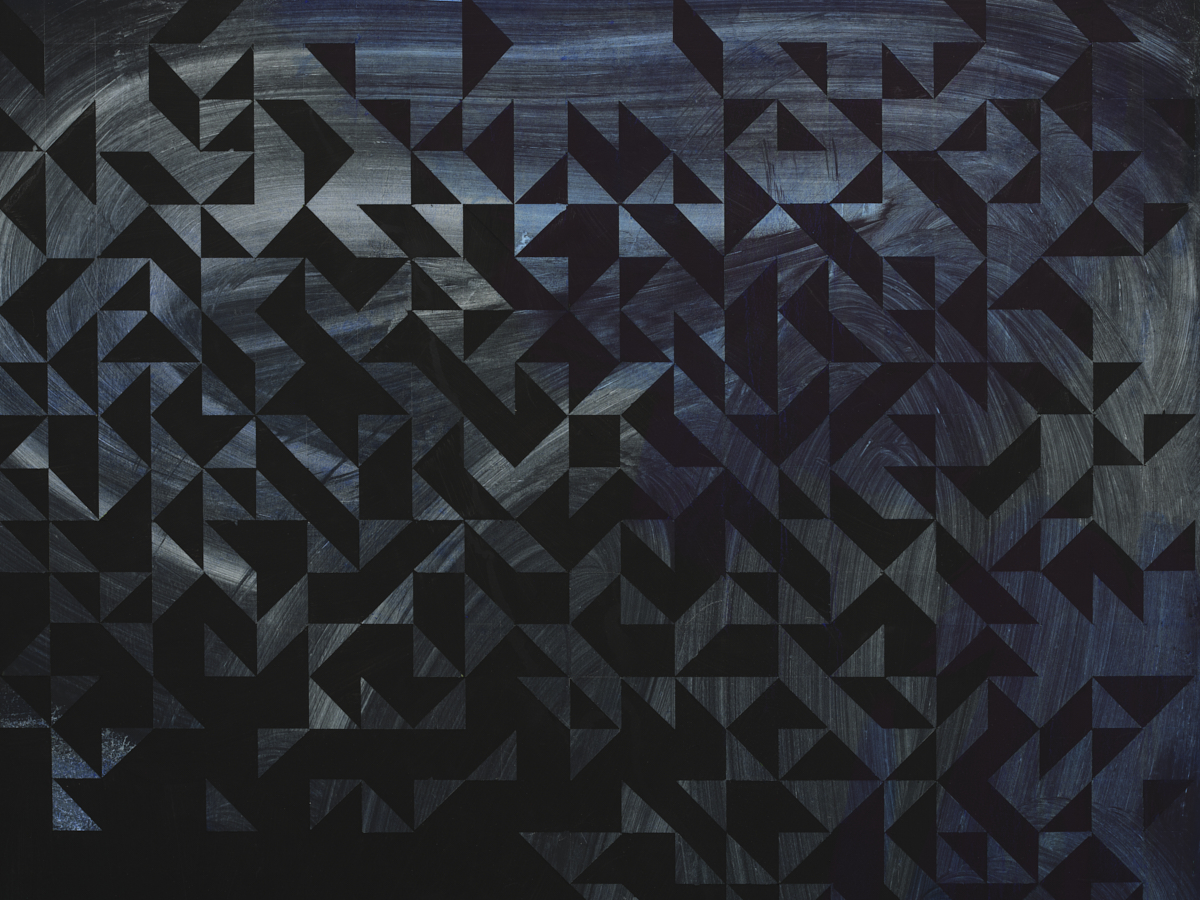
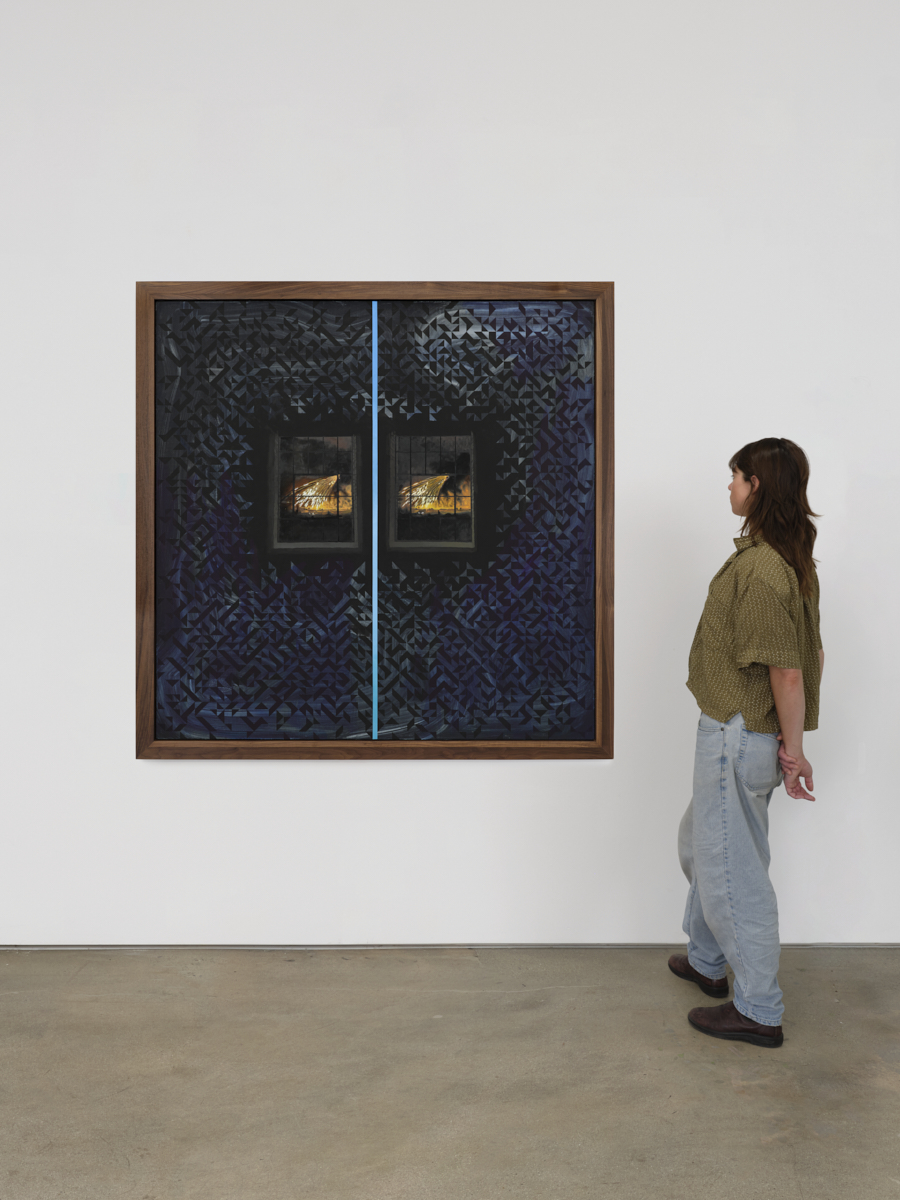
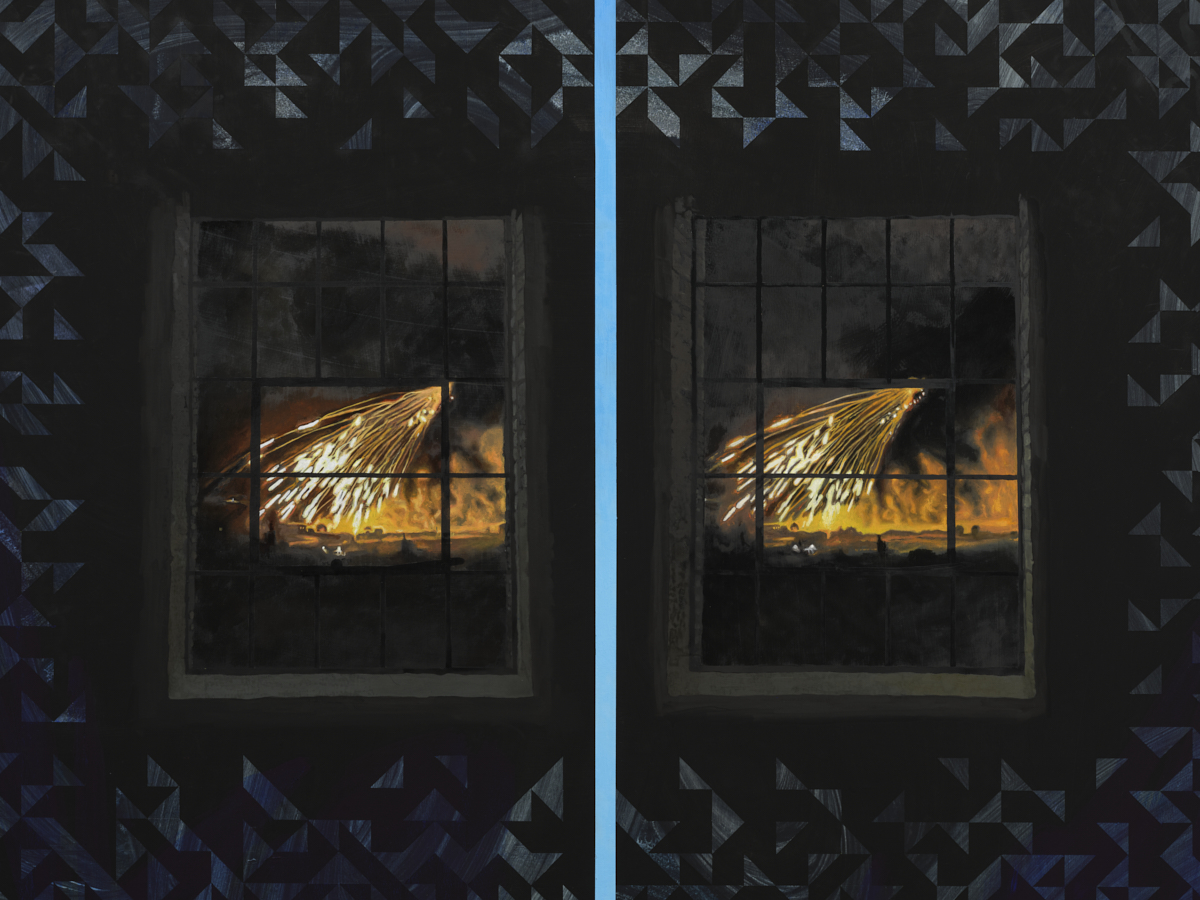
Geometric patterns function as framing devices throughout the show. In the painting, Binocular Vision (2026), a triangular pattern—adapted from Anni Albers—is layered on painterly swathes of deep purple, blue, and gray, and surrounds two small windows that look upon a dark landscape set ablaze. The abstract patterns represent optical phosphenes, or images the brain produces in the absence of external visual input.
Julian Hoeber
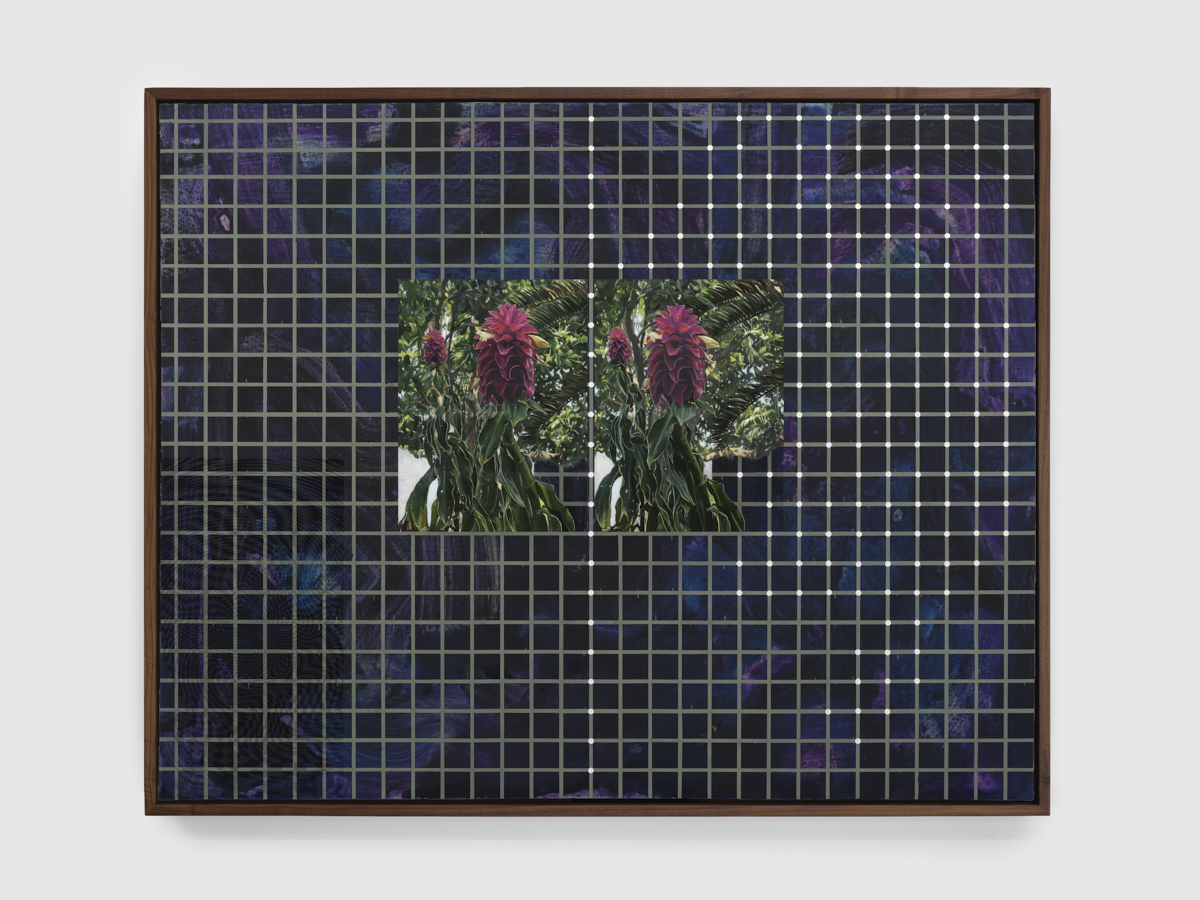
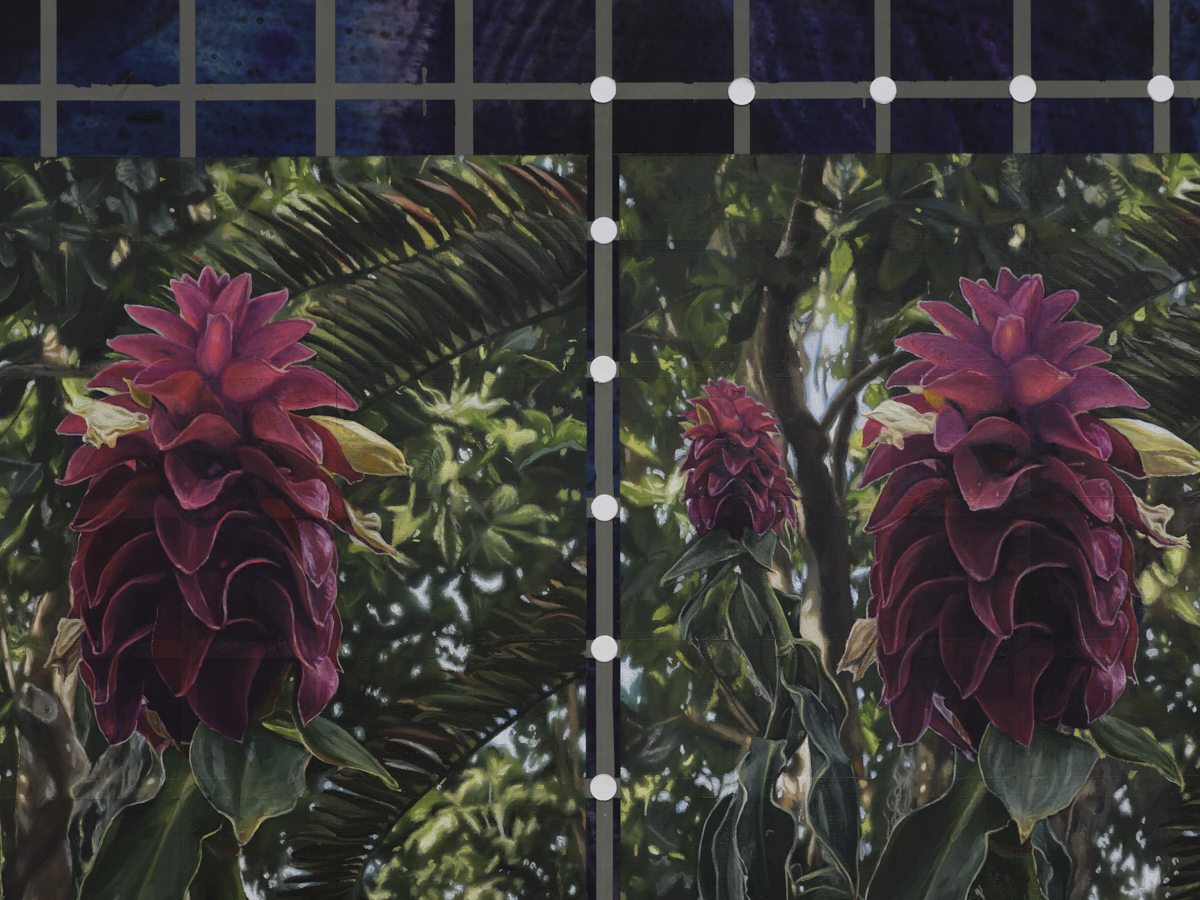
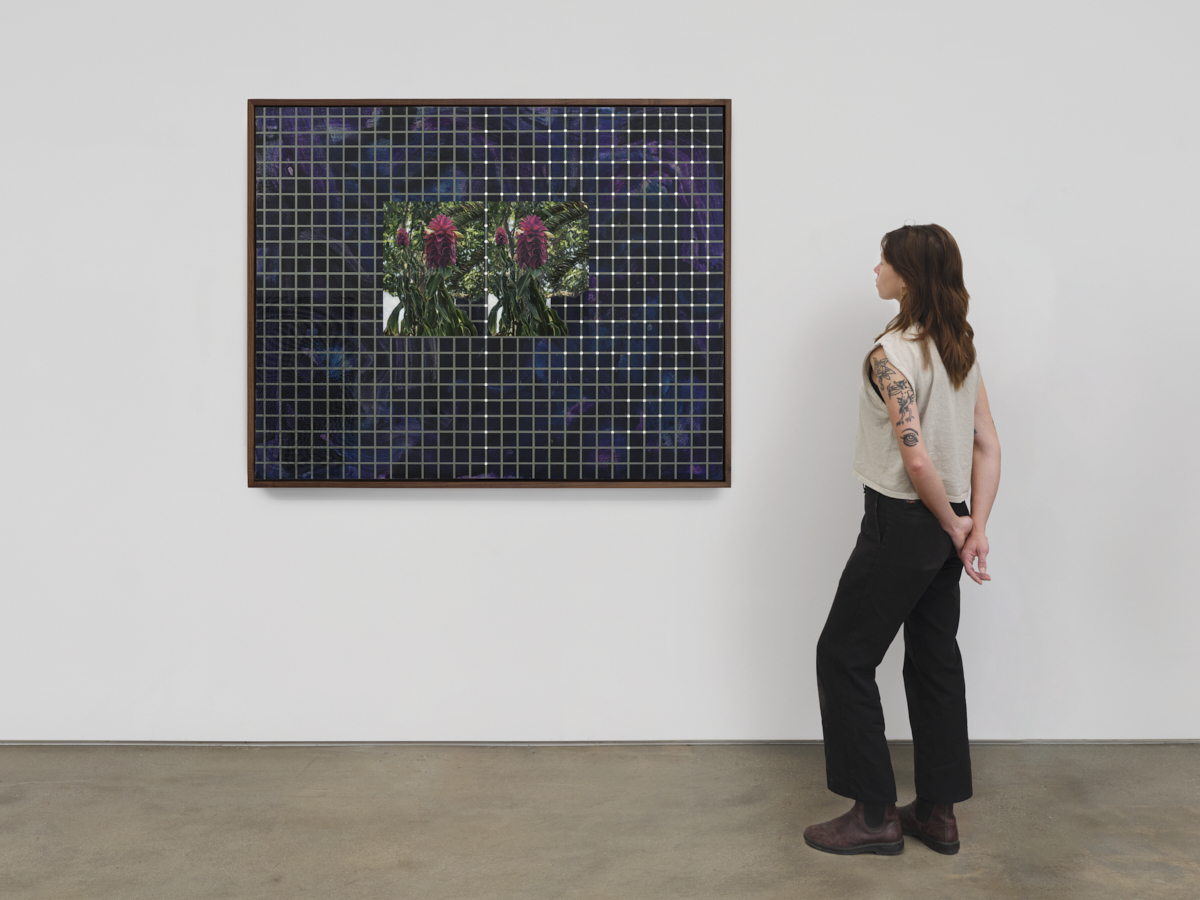
Costus Comosus, 2026
Oil, acrylic, Flashe, and collaged Bristol paper on linen over panel
49 1/8 x 61 1/8 x 3 3/8 inches / 124.8 x 155.3 x 8.6 cm
Costus Comosus, 2026
Oil, acrylic, Flashe, and collaged Bristol paper on linen over panel
49 1/8 x 61 1/8 x 3 3/8 inches / 124.8 x 155.3 x 8.6 cm
INQUIRE
Julian Hoeber
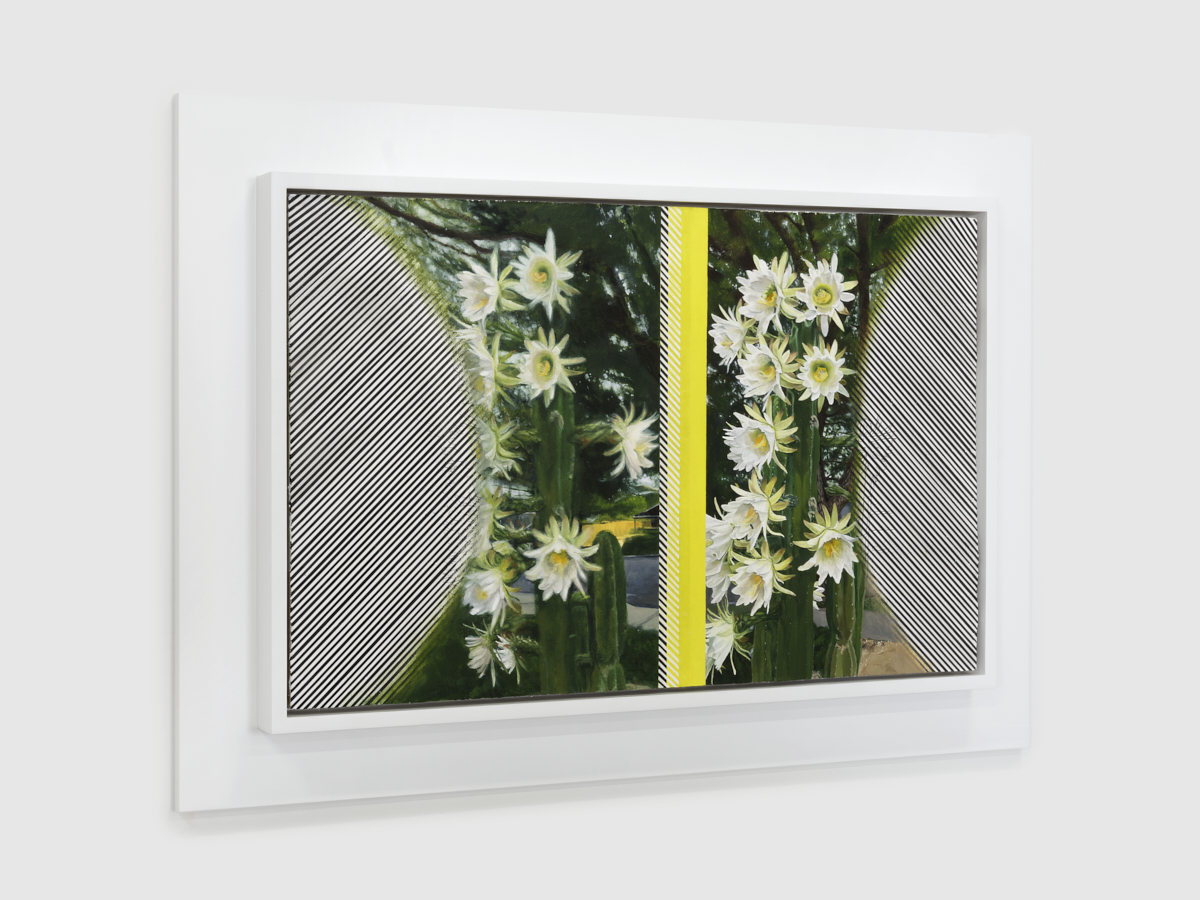
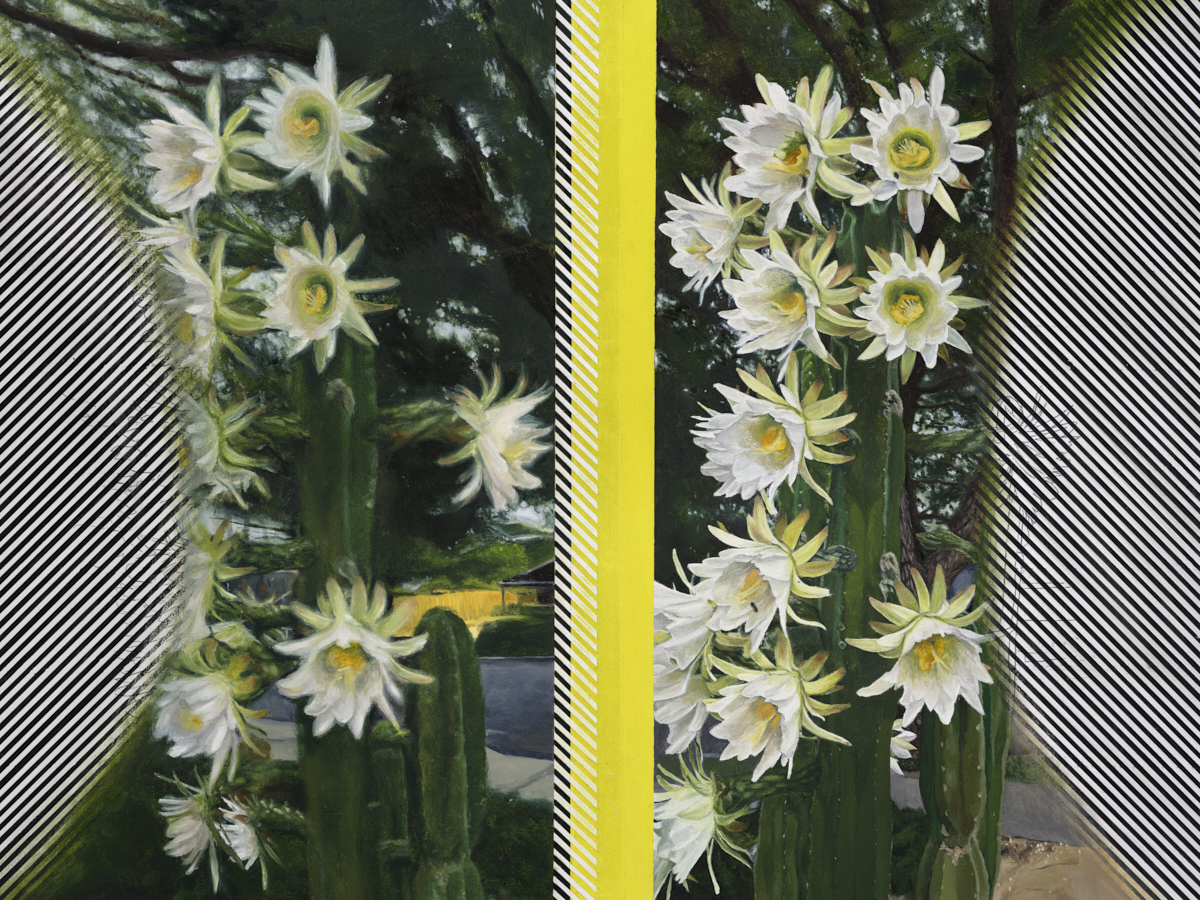
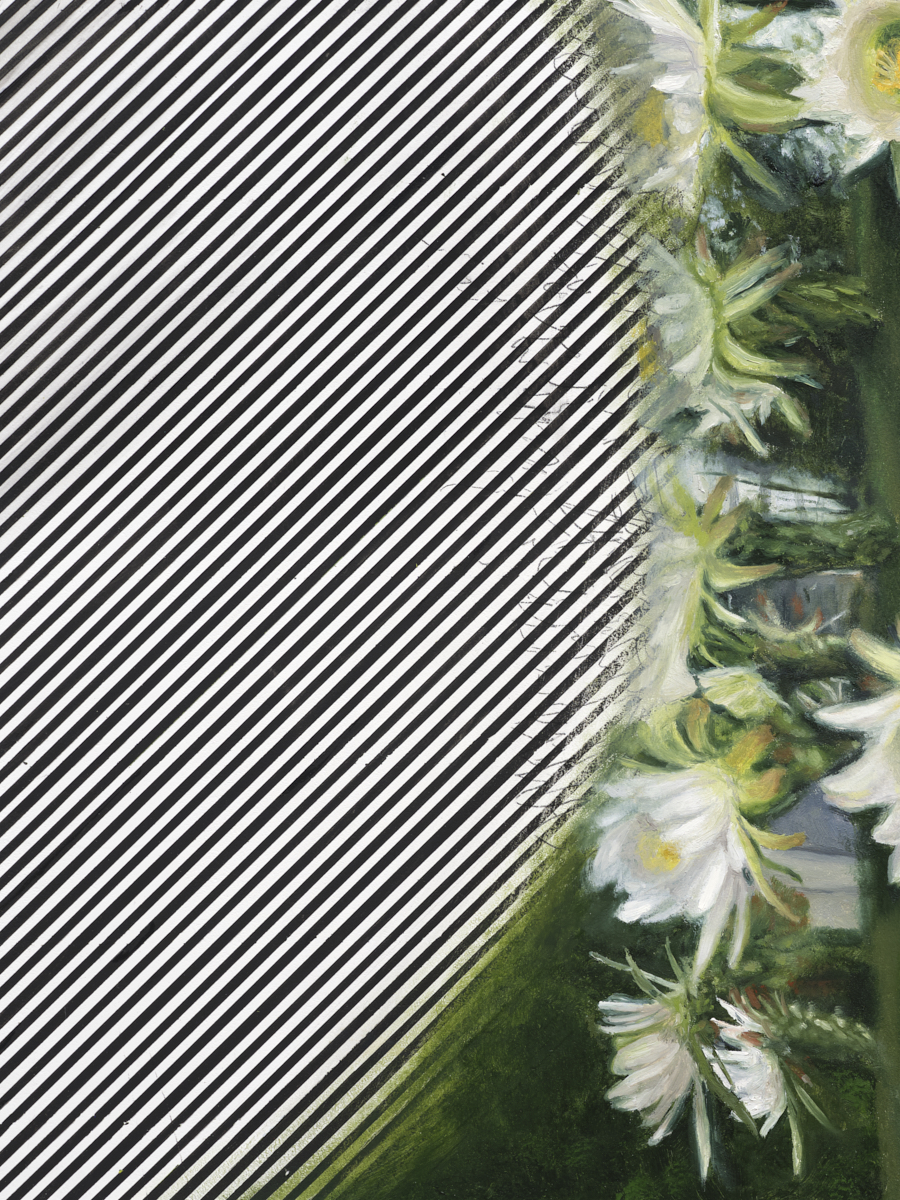
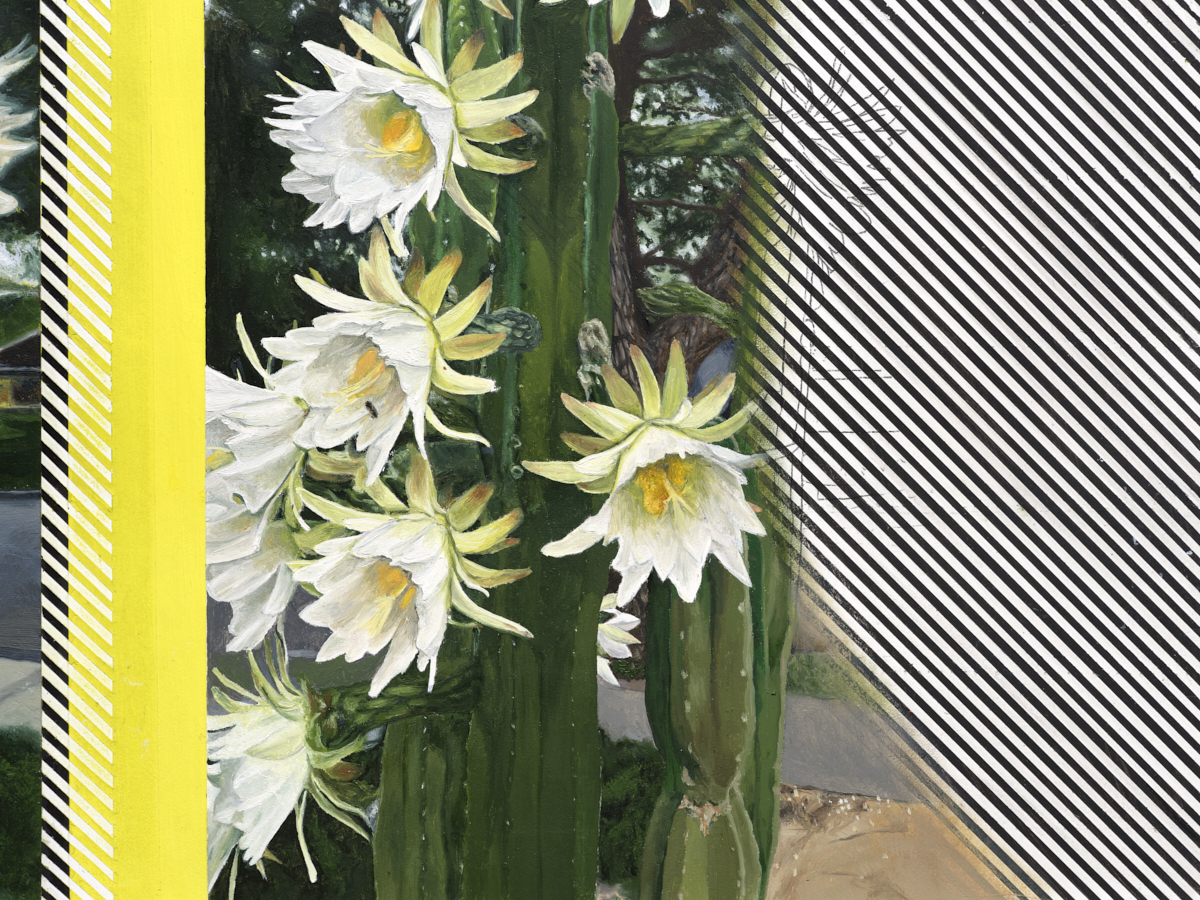
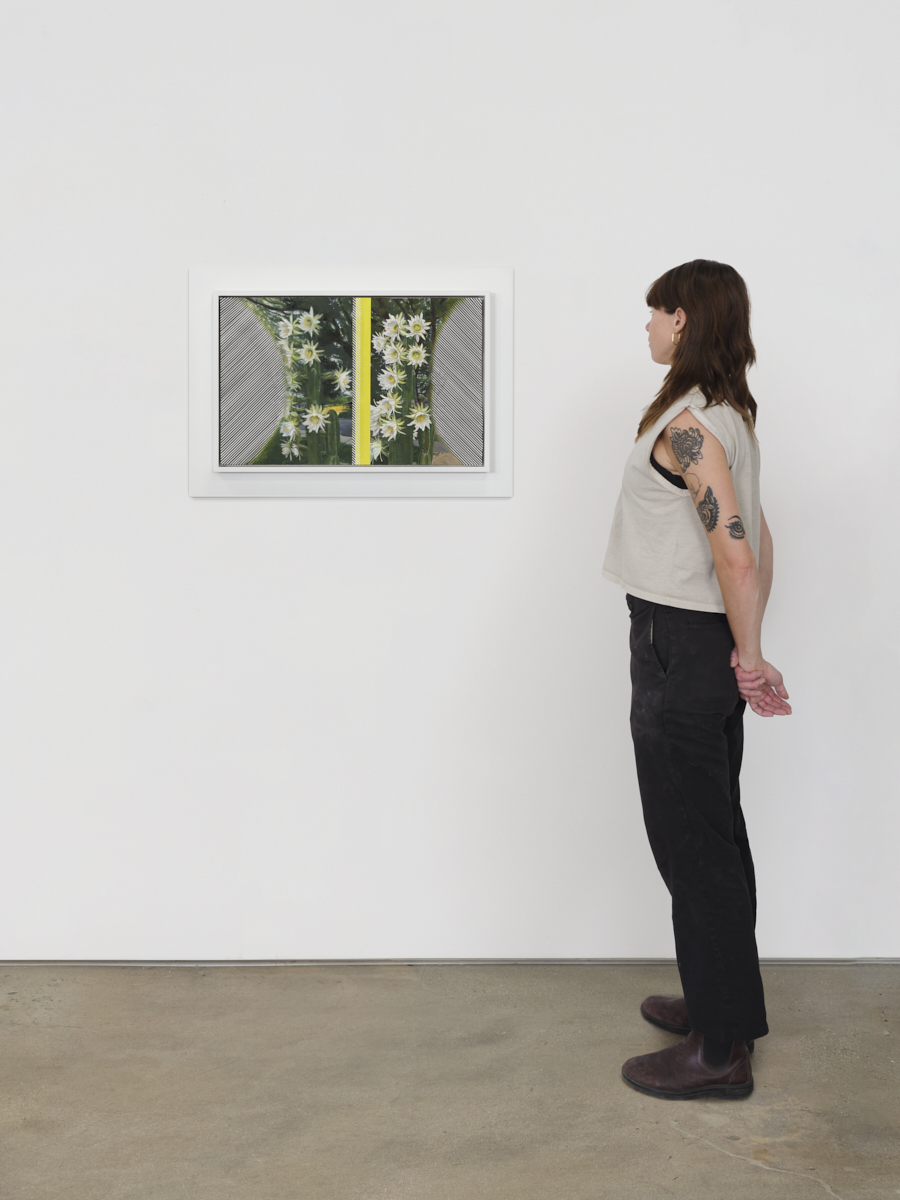
Cacti, 2024
Oil, acrylic, Flashe, and graphite on linen over panel
22 1/2 x 31 1/2 x 2 1/8 inches / 57.1 x 80 x 5.4 cm
Cacti, 2024
Oil, acrylic, Flashe, and graphite on linen over panel
22 1/2 x 31 1/2 x 2 1/8 inches / 57.1 x 80 x 5.4 cm
INQUIRE
Julian Hoeber
Monstrose (The Beautiful Mutant), 2026
Oil, acrylic, and Flashe on linen over panel
61 1/8 x 49 1/8 x 3 3/8 inches / 155.3 x 124.8 x 8.6 cm
Monstrose (The Beautiful Mutant), 2026
Oil, acrylic, and Flashe on linen over panel
61 1/8 x 49 1/8 x 3 3/8 inches / 155.3 x 124.8 x 8.6 cm
INQUIRE
Julian Hoeber
Pink Moth Orchid Pink Moth Orchid, 2025
Oil, Flashe, acrylic and graphite on linen over panel
38 x 49 1/2 x 2 1/2 inches / 95.3 x 124.5 x 6.3 cm
Pink Moth Orchid Pink Moth Orchid, 2025
Oil, Flashe, acrylic and graphite on linen over panel
38 x 49 1/2 x 2 1/2 inches / 95.3 x 124.5 x 6.3 cm
INQUIRE
Julian Hoeber
Cacti, 2024
Oil, acrylic, Flashe, and graphite on linen over panel
22 1/2 x 31 1/2 x 2 1/8 inches / 57.1 x 80 x 5.4 cm
Cacti, 2024
Oil, acrylic, Flashe, and graphite on linen over panel
22 1/2 x 31 1/2 x 2 1/8 inches / 57.1 x 80 x 5.4 cm
INQUIRE
Julian Hoeber
Monstrose (The Beautiful Mutant), 2026
Oil, acrylic, and Flashe on linen over panel
61 1/8 x 49 1/8 x 3 3/8 inches / 155.3 x 124.8 x 8.6 cm
Monstrose (The Beautiful Mutant), 2026
Oil, acrylic, and Flashe on linen over panel
61 1/8 x 49 1/8 x 3 3/8 inches / 155.3 x 124.8 x 8.6 cm
INQUIRE
Julian Hoeber
Pink Moth Orchid Pink Moth Orchid, 2025
Oil, Flashe, acrylic and graphite on linen over panel
38 x 49 1/2 x 2 1/2 inches / 95.3 x 124.5 x 6.3 cm
Pink Moth Orchid Pink Moth Orchid, 2025
Oil, Flashe, acrylic and graphite on linen over panel
38 x 49 1/2 x 2 1/2 inches / 95.3 x 124.5 x 6.3 cm
INQUIRE
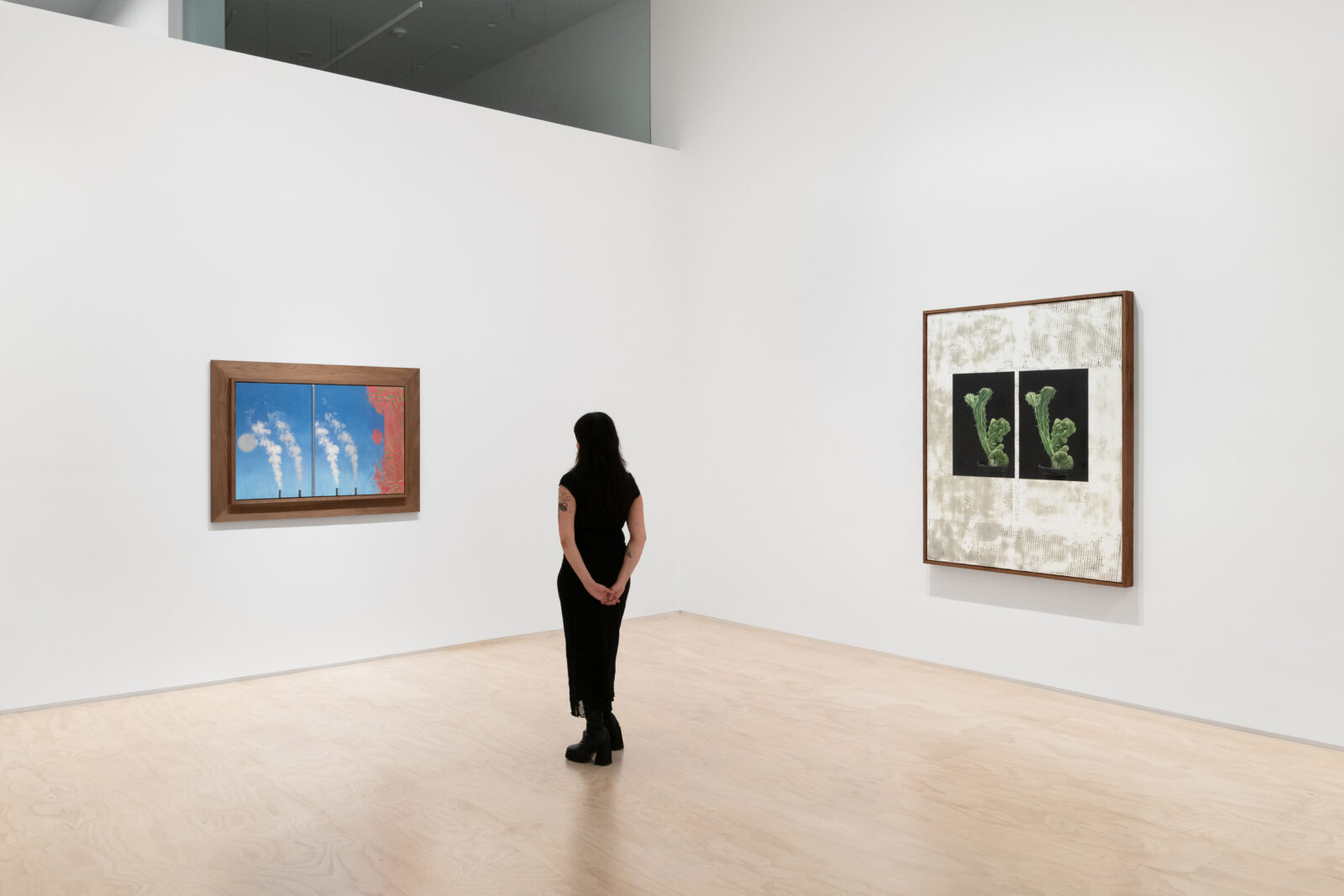
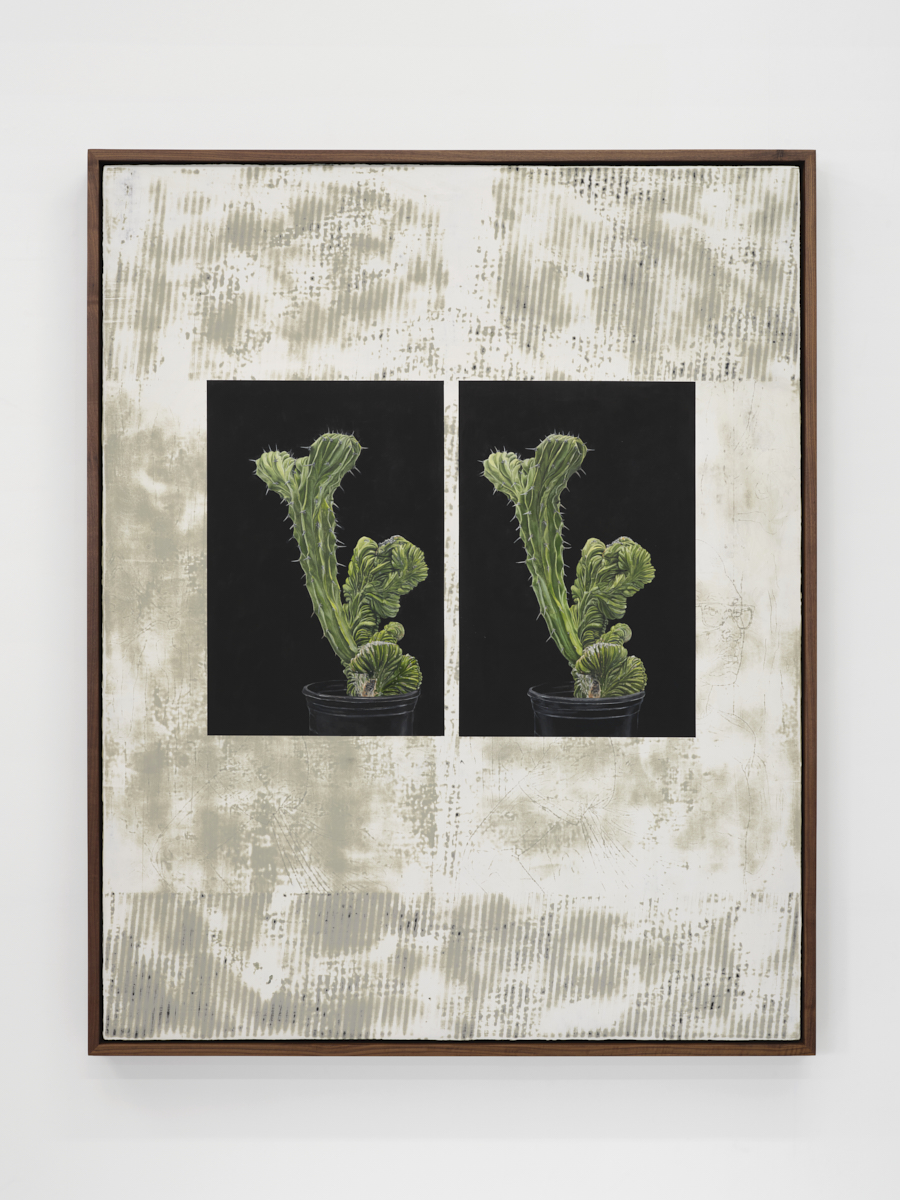
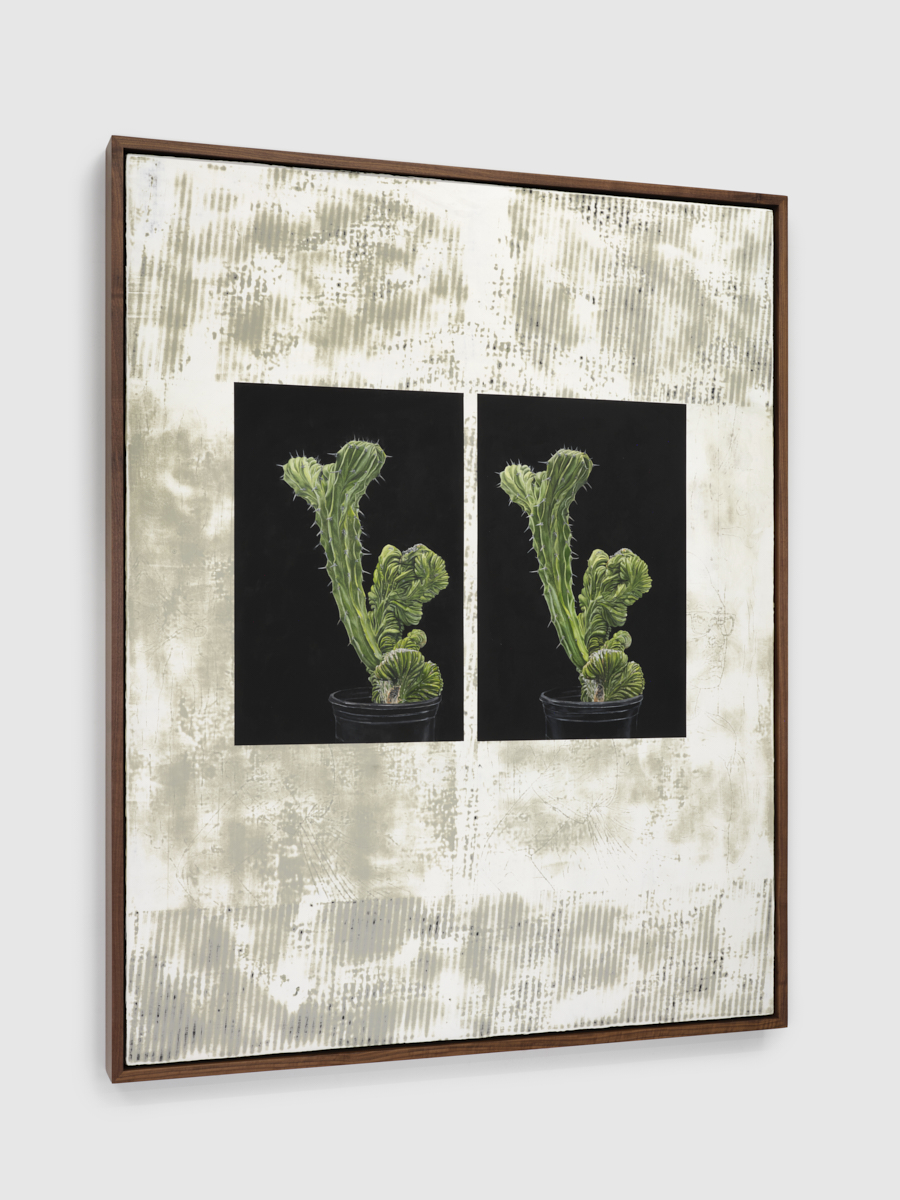
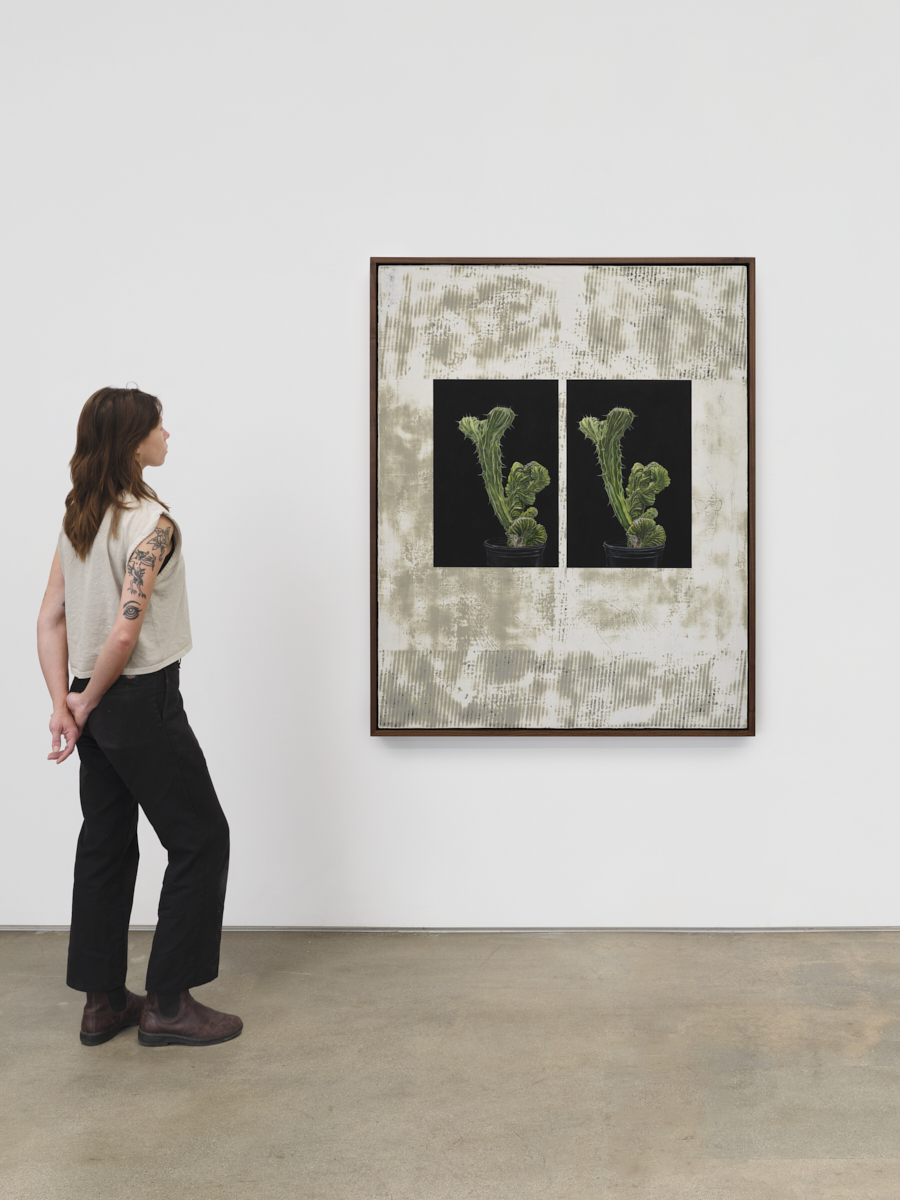
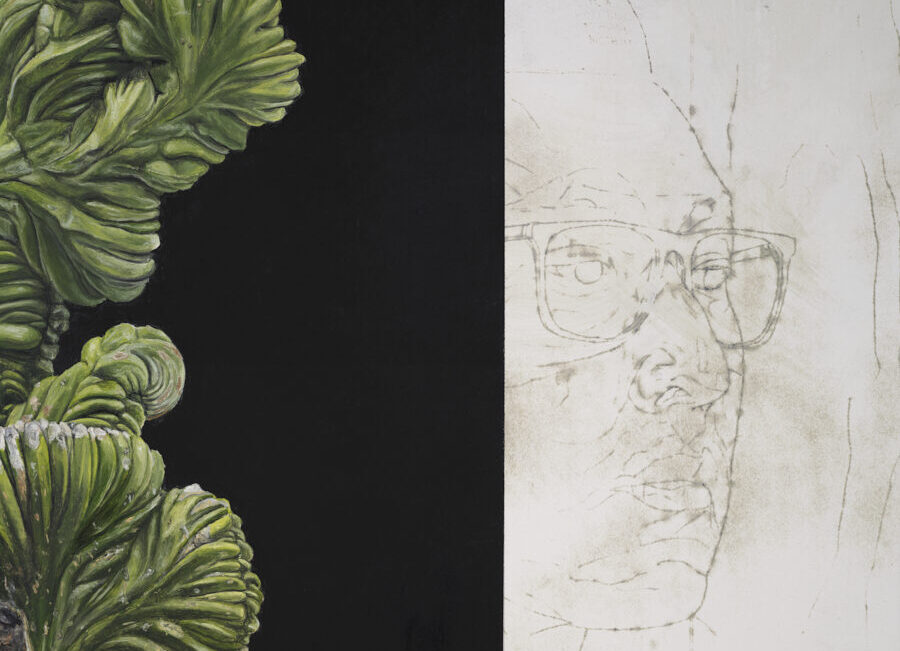
The 5-by-4-foot painting Monstrose (The Beautiful Mutant) (2026) depicts a rare cactus with erratic, sculptural growth patterns. Inspired by a gift Hoeber gave to his wife, the painting ushers the viewer down a trail of bodily and cerebral inquiry, where the mechanics of looking are augmented by memory. The background of the work shows a grey and white atmosphere with optical patterns and the ghost image of a portrait of Hoeber’s much loved former studio assistant.
Julian Hoeber
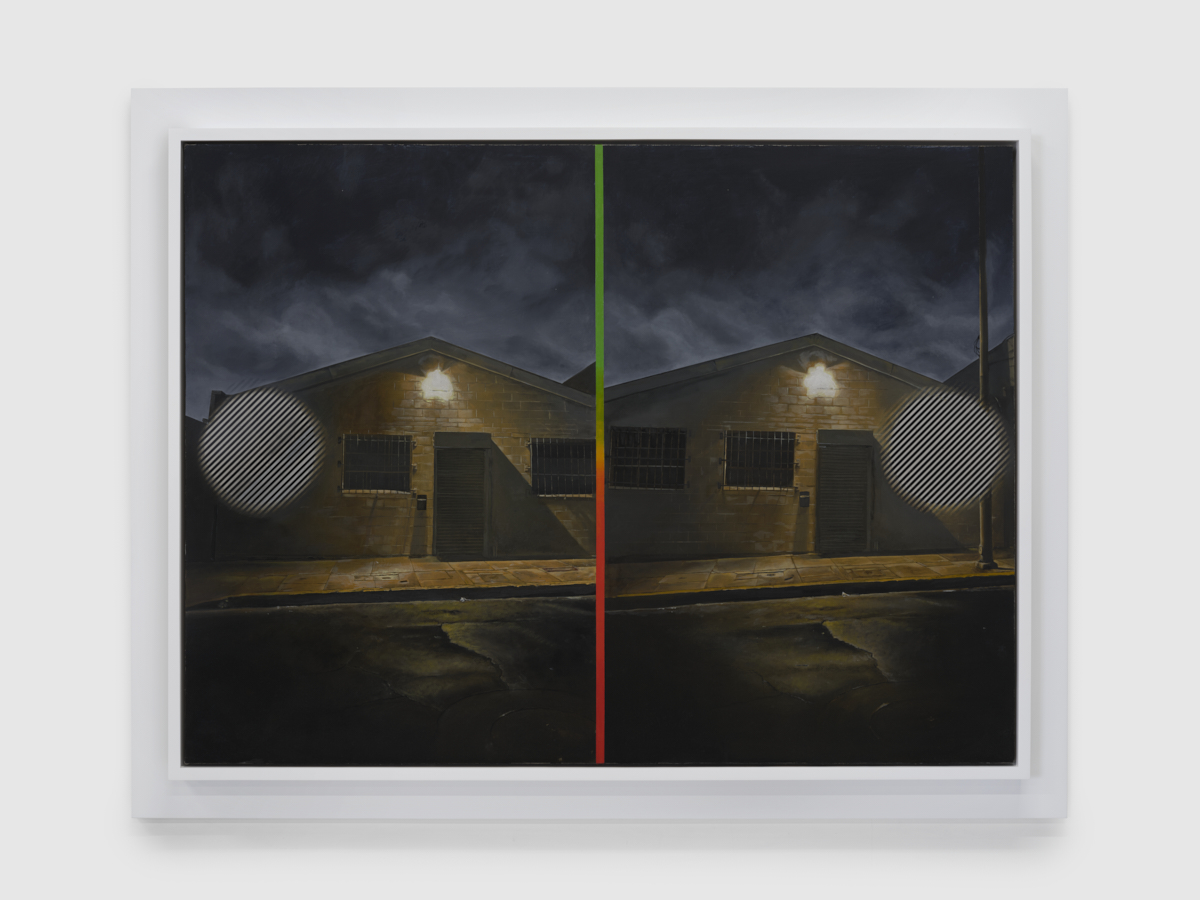
Night Studio, 2026
Oil, Flashe, and acrylic on linen over panel
39 3/4 x 50 7/8 x 2 5/8 inches / 101 x 129.2 x 6.7 cm
Night Studio, 2026
Oil, Flashe, and acrylic on linen over panel
39 3/4 x 50 7/8 x 2 5/8 inches / 101 x 129.2 x 6.7 cm
INQUIRE
Julian Hoeber
Burnt Cove, 2026
Oil, Flashe, and colored pencil on linen over panel
19 1/2 x 25 1/4 x 2 1/2 inches / 49.5 x 64.1 x 6.3 cm
Burnt Cove, 2026
Oil, Flashe, and colored pencil on linen over panel
19 1/2 x 25 1/4 x 2 1/2 inches / 49.5 x 64.1 x 6.3 cm
INQUIRE
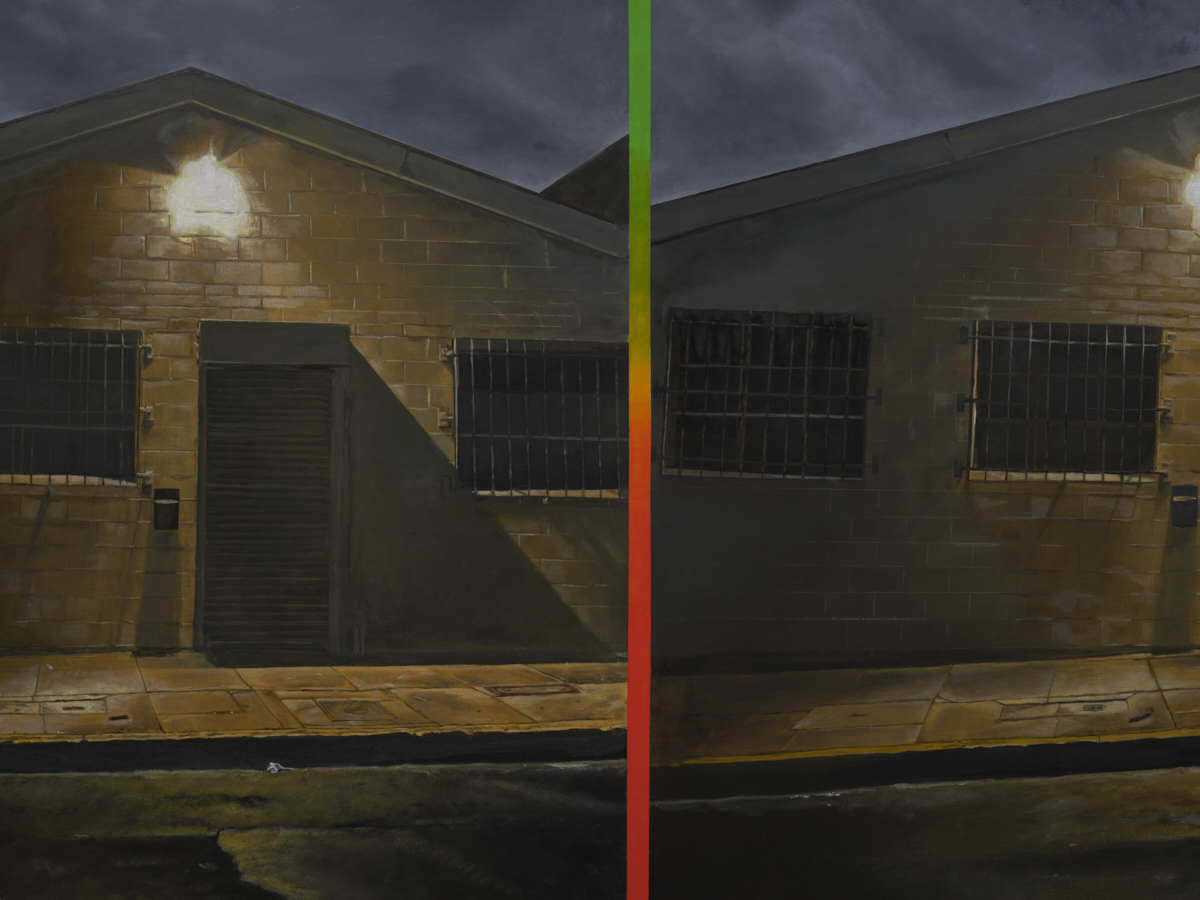
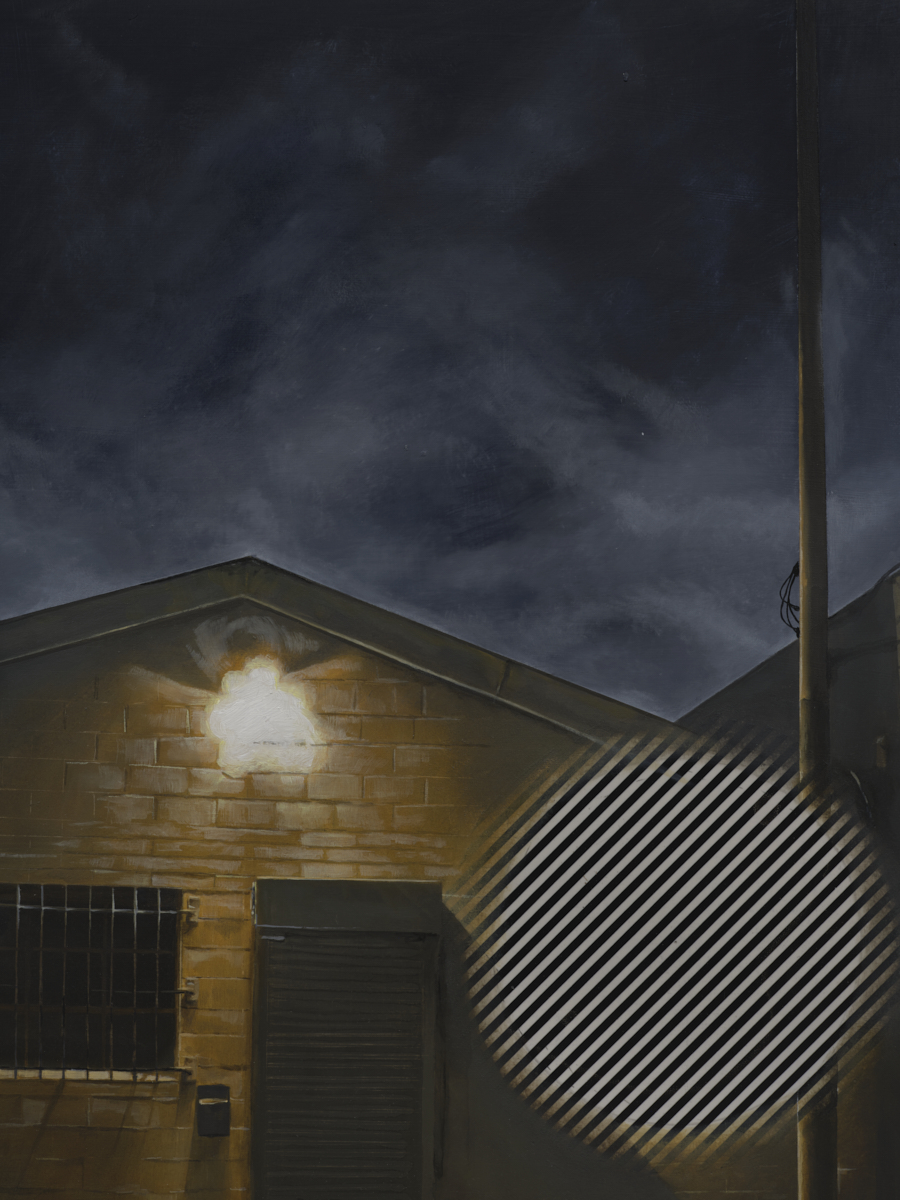
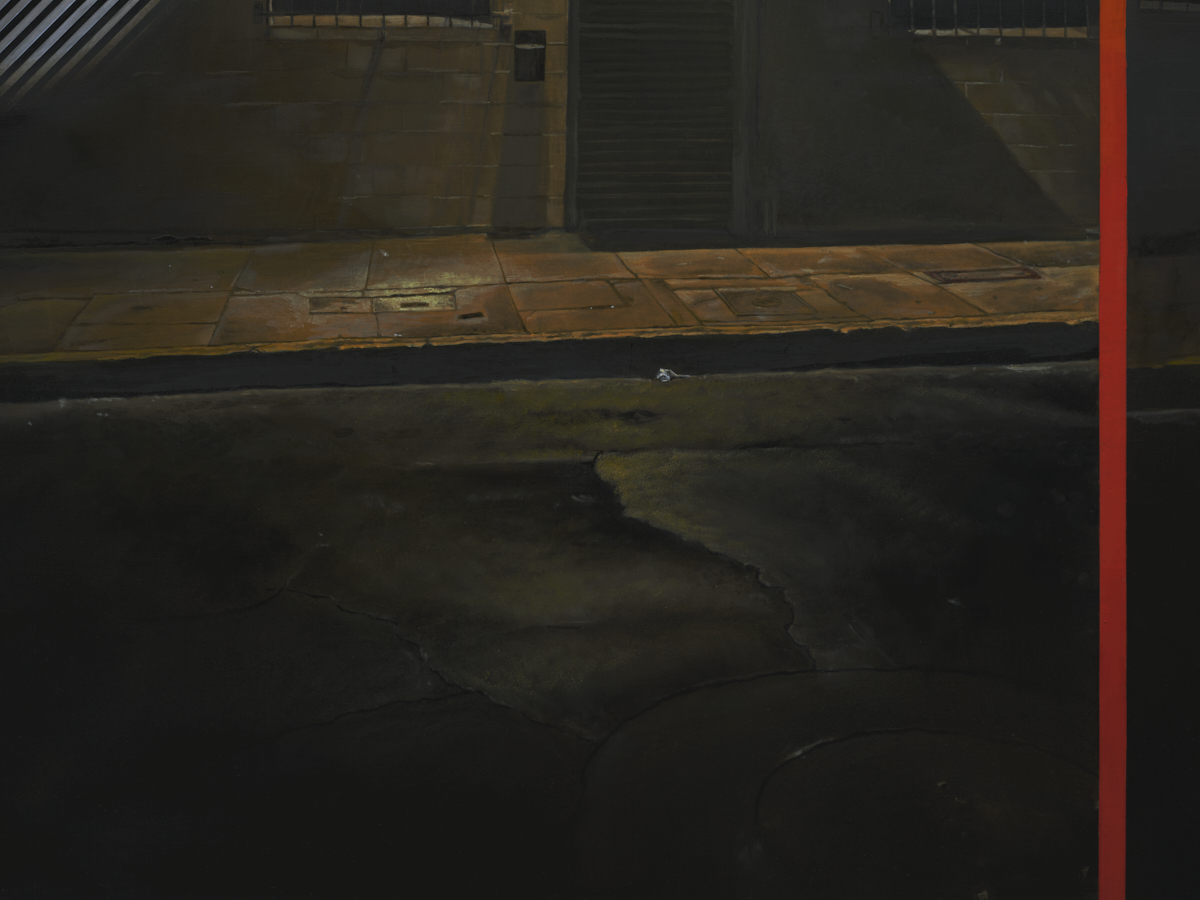
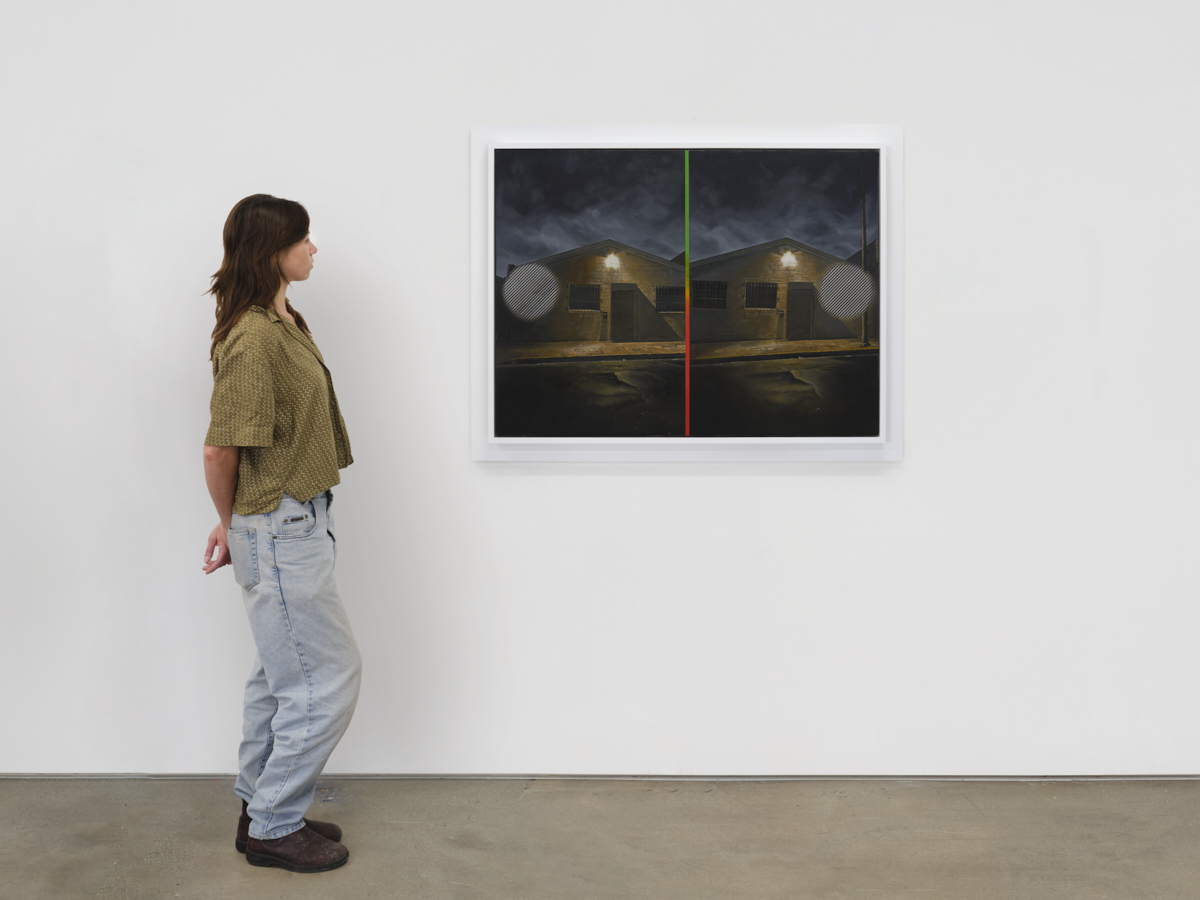
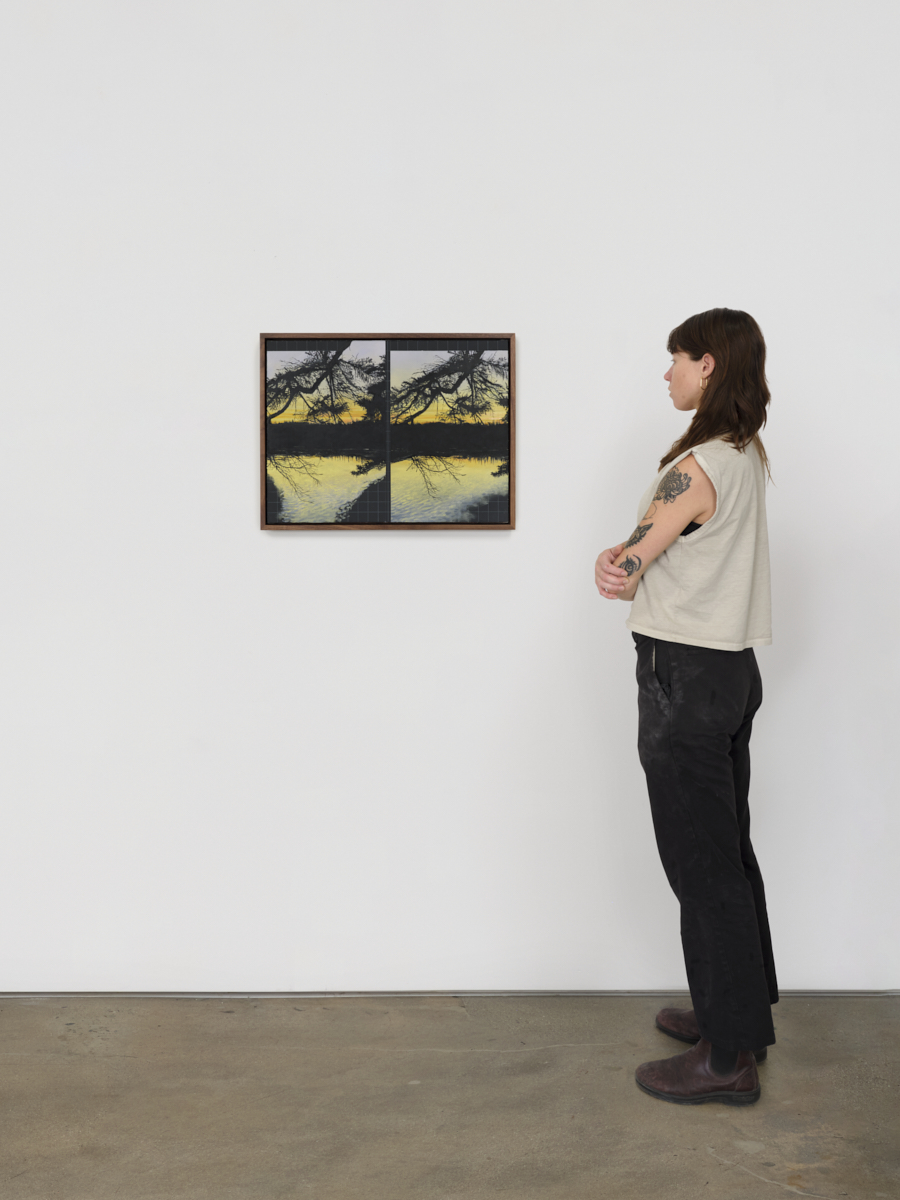
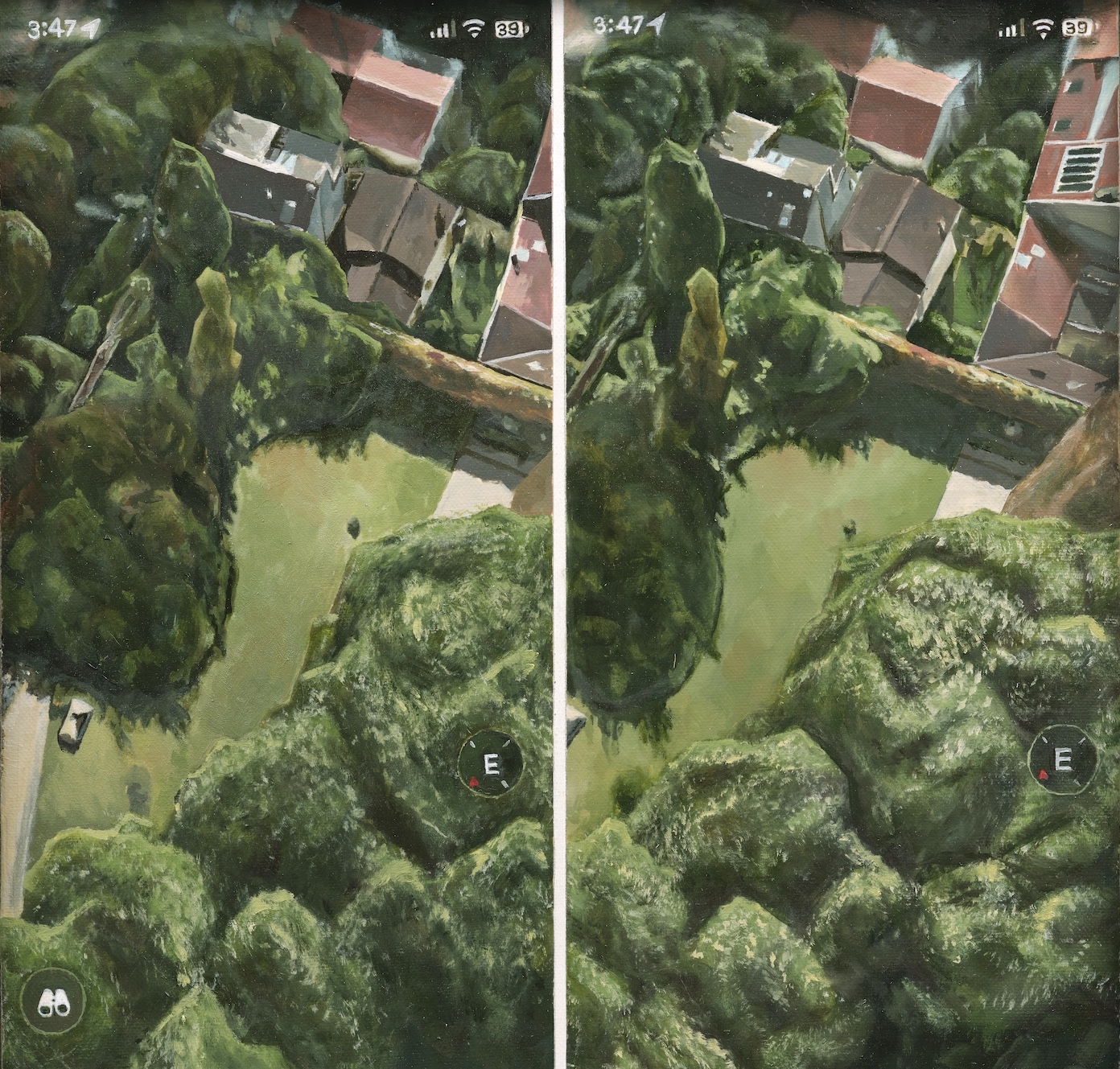
Night Studio (2026) is saturated with visual metaphor, showing two corresponding images of Hoeber’s workspace exterior after twilight. The building becomes a stand-in for a head—with windows representing eyes, and the door as a mouth—cleverly illuminating the trajectory of the artist’s creative input and output. The work honors a cognitive space in which the artist’s own thoughts and stimuli are transformed: starting with the mind, traveling through the body, and arriving at the painting’s surface.

Julian Hoeber
Looking From Antwerp Across the Schelde River, 2026
Oil, acrylic, Flashe, and water-based silkscreen ink on linen over panel
33 3/4 x 43 1/4 x 2 1/2 inches / 85.7 x 109.9 x 6.3 cm
Looking From Antwerp Across the Schelde River, 2026
Oil, acrylic, Flashe, and water-based silkscreen ink on linen over panel
33 3/4 x 43 1/4 x 2 1/2 inches / 85.7 x 109.9 x 6.3 cm
INQUIRE
Julian Hoeber
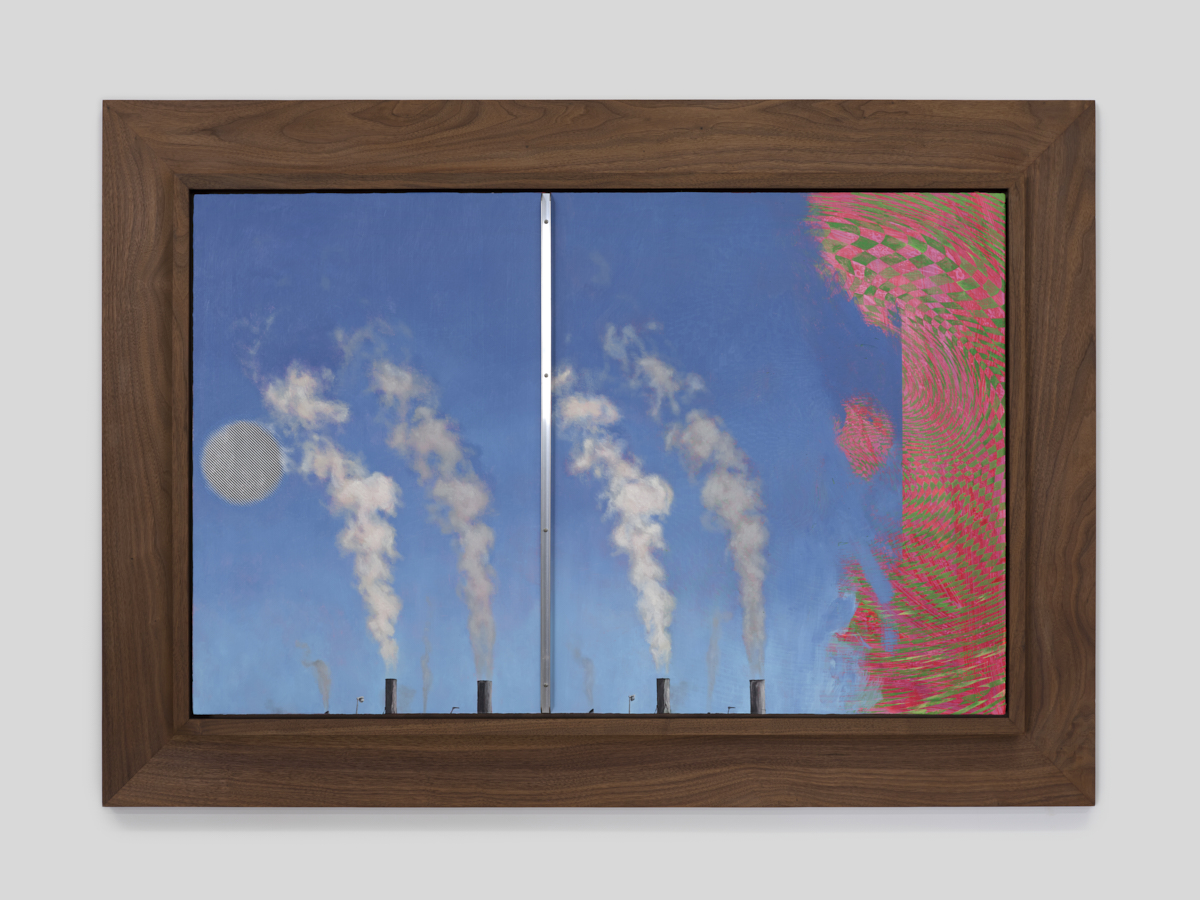
Two Smokestacks (After Degas), 2026
Oil, acrylic, Flashe, water-based silkscreen ink, aluminum, and hardware on linen over panel
37 1/4 x 52 1/4 x 2 1/8 inches / 94.6 x 132.7 x 5.4 cm
Two Smokestacks (After Degas), 2026
Oil, acrylic, Flashe, water-based silkscreen ink, aluminum, and hardware on linen over panel
37 1/4 x 52 1/4 x 2 1/8 inches / 94.6 x 132.7 x 5.4 cm
INQUIRE
Julian Hoeber
Sunrise, 2026
Oil, acrylic, graphite, Flashe, and water-based silkscreen ink on linen over panel
36 3/4 x 42 3/4 x 2 3/4 inches / 93.3 x 108.6 x 7 cm
Sunrise, 2026
Oil, acrylic, graphite, Flashe, and water-based silkscreen ink on linen over panel
36 3/4 x 42 3/4 x 2 3/4 inches / 93.3 x 108.6 x 7 cm
INQUIRE
Julian Hoeber
Looking From Antwerp Across the Schelde River, 2026
Oil, acrylic, Flashe, and water-based silkscreen ink on linen over panel
33 3/4 x 43 1/4 x 2 1/2 inches / 85.7 x 109.9 x 6.3 cm
Looking From Antwerp Across the Schelde River, 2026
Oil, acrylic, Flashe, and water-based silkscreen ink on linen over panel
33 3/4 x 43 1/4 x 2 1/2 inches / 85.7 x 109.9 x 6.3 cm
INQUIRE
Julian Hoeber
Two Smokestacks (After Degas), 2026
Oil, acrylic, Flashe, water-based silkscreen ink, aluminum, and hardware on linen over panel
37 1/4 x 52 1/4 x 2 1/8 inches / 94.6 x 132.7 x 5.4 cm
Two Smokestacks (After Degas), 2026
Oil, acrylic, Flashe, water-based silkscreen ink, aluminum, and hardware on linen over panel
37 1/4 x 52 1/4 x 2 1/8 inches / 94.6 x 132.7 x 5.4 cm
INQUIRE
Julian Hoeber
Sunrise, 2026
Oil, acrylic, graphite, Flashe, and water-based silkscreen ink on linen over panel
36 3/4 x 42 3/4 x 2 3/4 inches / 93.3 x 108.6 x 7 cm
Sunrise, 2026
Oil, acrylic, graphite, Flashe, and water-based silkscreen ink on linen over panel
36 3/4 x 42 3/4 x 2 3/4 inches / 93.3 x 108.6 x 7 cm
INQUIRE
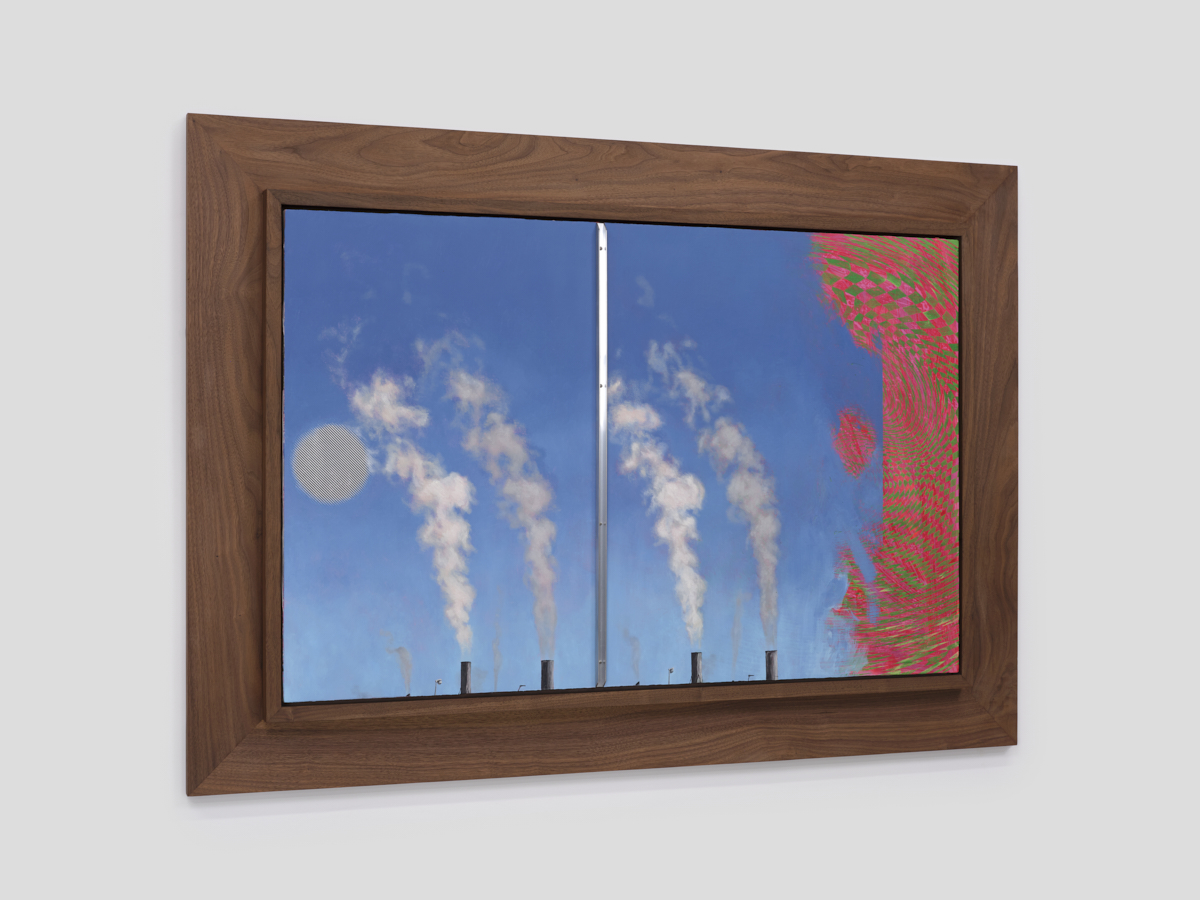
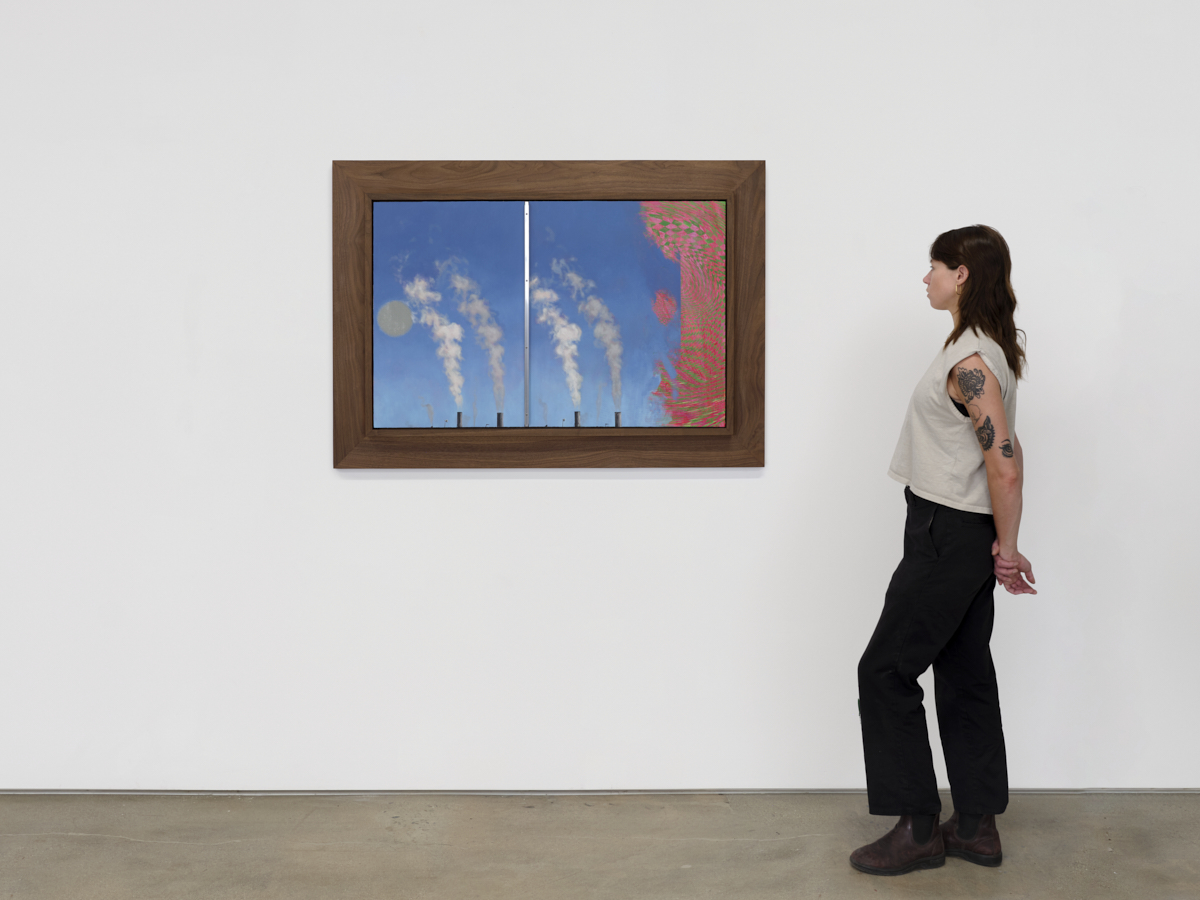
Two Smokestacks (After Degas) (2026) inverts this route, beginning with the outside world, showing twin clouds of white vapor rising against an azure California sky. A swirling red-green checkerboard moire pattern and black-and-white striped circle creep into the left and right sides of the work. In these painterly interruptions, Hoeber moves beyond the smokestacks as pure symbols of machinic production and, like Degas, challenges us to see beyond the recognizable.

Julian Hoeber
Wall of the Communards, 2026
Oil and acrylic on linen over panel
25 3/4 x 25 3/4 x 2 inches / 65.4 x 65.4 x 5.1 cm
Wall of the Communards, 2026
Oil and acrylic on linen over panel
25 3/4 x 25 3/4 x 2 inches / 65.4 x 65.4 x 5.1 cm
INQUIRE
Julian Hoeber
Counterpoint, 2026
Single-channel high-definition video with sound, and 3D glasses
Duration: 4'31'
Edition of 3 plus 1 artist's proof
Counterpoint, 2026
Single-channel high-definition video with sound, and 3D glasses
Duration: 4'31'
Edition of 3 plus 1 artist's proof
INQUIRE
“Binocular Rivalry” encourages and celebrates the gaze as active and contemplative. The artist pushes sensory processing beyond the subconscious, exploring vision as biologic, cerebral, and conceptual. This way of seeing encourages a more thoughtful engagement with our environment, framing reality as a dialogue between our eyes and our expectations.
×
×